

Electrical safety is a non-negotiable priority in residential, commercial, and industrial buildings, as faulty wiring can lead to fires, electric shocks, and costly property damage. PVC Power Cable, a widely used electrical conductor in global construction projects, is engineered with specialized features that significantly enhance electrical safety, making it a trusted choice for builders, electricians, and project managers. Its unique design and material properties address common safety hazards, ensuring reliable performance in diverse building environments.
One of the core safety features of PVC Power Cable is its robust insulation layer, made from high-quality polyvinyl chloride (PVC). This insulation acts as a strong barrier between the conductive copper core and the surrounding environment, preventing short circuits and electric leakage—two major causes of electrical accidents. Unlike inferior insulation materials that degrade over time, PVC insulation offers excellent heat resistance and flame-retardant properties, self-extinguishing in case of fire to stop the spread of flames and reduce the risk of fire-related electrical hazards. This feature is particularly critical in high-density buildings, where fire safety is paramount.
Another safety-enhancing feature is the cable’s precise conductor design, which ensures stable electrical transmission and minimizes energy loss. High-purity copper conductors, often used in PVC Power Cable, deliver low electrical resistance, reducing the risk of overheating—a common issue that can damage wiring and trigger fires. Additionally, the conductors are stranded or solid, depending on the application, and are tightly wrapped in PVC insulation to avoid conductor exposure. This design not only improves safety but also extends the cable’s service life, reducing the need for frequent replacements and maintenance.
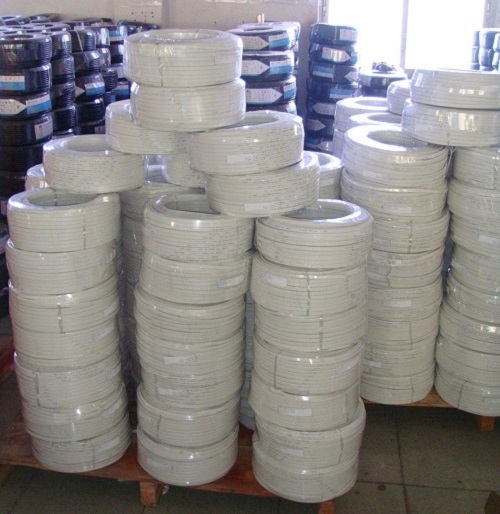
For building wiring scenarios, compatibility with standard Electrical Wires and installation practices is another key safety advantage. PVC Power Cable is designed to integrate seamlessly with existing electrical systems, ensuring secure connections and reducing the risk of loose joints or poor terminations—common culprits of electrical faults. Its flexible or rigid structure, depending on the variant, allows for easy installation in wall cavities, conduits, and tight spaces, minimizing the chance of insulation damage during installation, which could compromise safety.
Weather resistance and corrosion protection are also critical safety features of PVC Power Cable, especially for outdoor or damp building areas such as basements, garages, and exterior wiring. PVC insulation is highly resistant to moisture, chemicals, and UV radiation, preventing insulation degradation and electrical leakage in harsh environments. This makes the cable suitable for both indoor and light outdoor building applications, ensuring consistent safety performance regardless of the environment.
Compliance with global safety standards is another hallmark of PVC Power Cable, further reinforcing its safety credentials. Reputable manufacturers produce PVC Power Cable that meets international norms such as IEC 60227, ensuring that the cable adheres to strict safety requirements for electrical conductivity, insulation strength, and flame retardancy. This compliance gives builders and electricians confidence that the cable will perform safely in line with building codes, reducing liability and ensuring occupant safety.
In addition to these features, PVC Power Cable is often paired with Electrical Cable accessories that enhance safety, such as flame-retardant conduits and secure terminals. These accessories work in tandem with the cable’s inherent safety features to create a comprehensive electrical safety system for buildings. Whether used in residential wiring for lighting and sockets or commercial buildings for HVAC systems and power distribution, PVC Power Cable’s safety features make it an indispensable component of modern building electrical systems.