
In the rapidly evolving electrical industry, high performance electrical cables are the backbone of modern power distribution, industrial automation, and building infrastructure. As technology advances and safety requirements become more stringent, global industry standards for these cables are constantly updated to ensure reliability, safety, and compatibility. Staying abreast of the latest industry standards is critical for manufacturers, suppliers, electricians, and project managers, as non-compliant cables can lead to system failures, safety hazards, and costly project delays. This article explores the newest standards shaping the design, production, and use of high performance electrical cables worldwide.
The International Electrotechnical Commission (IEC) remains the leading authority on global electrical standards, with its latest updates focusing on three core areas: safety, efficiency, and environmental sustainability. The IEC 60227 series, revised in 2024, sets stricter requirements for conductor material purity, insulation thickness, and flame-retardant properties. For instance, high performance cables must now use high-purity copper or aluminum conductors to ensure low resistance and minimal energy loss, while insulation materials must meet enhanced heat resistance and UV stability standards to withstand harsh operating environments.
In addition to IEC standards, regional bodies have also updated their requirements to address local needs. The European Committee for Electrotechnical Standardization (CENELEC) revised EN 50525, which now mandates stricter electromagnetic interference (EMI) protection for cables used in industrial and commercial settings. This update is particularly relevant for Electrical Cable manufacturers, as it requires improved shielding technology to prevent signal interference and ensure stable performance in complex electrical systems. Similarly, the American National Standards Institute (ANSI) updated its UL 44 standard, focusing on fire safety and durability for cables used in high-risk environments such as hospitals and data centers.
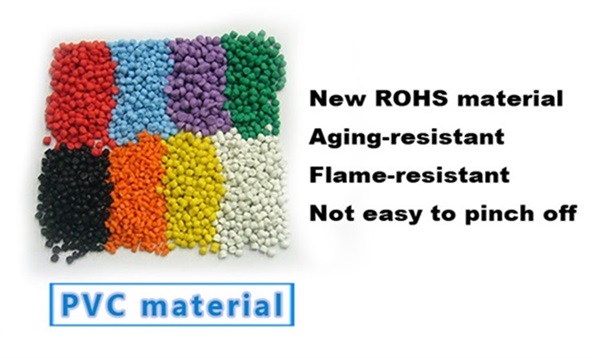
Environmental sustainability is another key focus of the latest industry standards. Many regions, including the EU and North America, now require high performance electrical cables to be free of harmful substances such as lead, cadmium, and halogen. This shift has led manufacturers to adopt eco-friendly materials and production processes, ensuring that cables not only meet safety and performance standards but also align with global sustainability goals. Additionally, standards now include requirements for recyclability, encouraging the development of cables that can be repurposed or recycled at the end of their service life.
For building and construction applications, the latest standards place greater emphasis on compatibility and safety. Building Wires, a critical component of residential and commercial electrical systems, must now meet stricter flame-retardant and smoke-emission standards to reduce fire risk. For example, the IEC 60332-3 standard, updated in 2023, requires building wires to withstand higher temperatures and prevent flame spread, ensuring that they contribute to overall building safety. This is particularly important in high-rise buildings and public spaces, where electrical fires can have catastrophic consequences.
Manufacturers are also required to implement stricter quality control processes to ensure compliance with the latest standards. This includes rigorous testing of raw materials, in-process quality checks, and final product testing to verify performance metrics such as conductivity, insulation resistance, and flame retardancy. Compliance certificates are now more detailed, providing buyers with clear evidence that cables meet all relevant standards, which is critical for B2B transactions and global project approvals.
The latest standards also address the growing demand for high performance cables in renewable energy and smart infrastructure projects. Cables used in solar and wind energy systems must now meet enhanced durability and weather-resistance standards, as they are often exposed to extreme outdoor conditions. Additionally, standards for Pvc Power Cables have been updated to improve their performance in both indoor and light outdoor applications, with stricter requirements for insulation thickness and UV resistance to ensure long-term reliability.
Staying compliant with the latest industry standards is not only a legal requirement but also a competitive advantage. For B2B buyers, choosing cables that meet the newest standards ensures safety, reliability, and long-term performance, reducing the risk of costly repairs and replacements. For manufacturers, adhering to these standards demonstrates a commitment to quality and sustainability, helping to build trust with global customers. As the electrical industry continues to evolve, the latest standards will continue to shape the future of high performance electrical cables, driving innovation and ensuring safer, more efficient electrical systems worldwide.