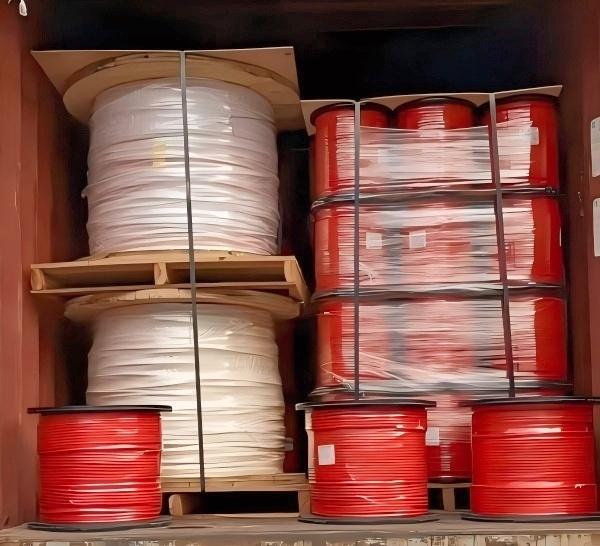
The laying of Flexible Cables in cable tunnels, trenches, pipelines, and indoor installations is basically the same as that of direct-buried cables in terms of Electrical Wires transportation and placement, but it still has its own characteristics in other aspects. Therefore, the following aspects should be noted during specific construction:
I. Checking Drawings
For newly built houses, tunnels, trenches, and pipelines, after the completion of civil construction, the cable construction drawings should be checked in detail according to the actual site conditions. The content to be checked is as follows:
(1) The number of meters, specifications, and models of cables.
(2) Whether the locations of power supply and receiving equipment match the actual site conditions.
(3) Whether the number of meters and the form of cable supports meet the requirements for cable laying.
(4) Whether the cable laying path matches the current building structure, whether it conflicts with other equipment or pipelines, and whether it is too close to heating pipelines.
(5) The cable arrangement should avoid crossing and disorder as much as possible.
(6) Whether the radius of curvature at the bends in the cable path and at the points where the cable enters the equipment meets the technical specifications. (7) Whether the drainage performance of cable tunnels and trenches is good.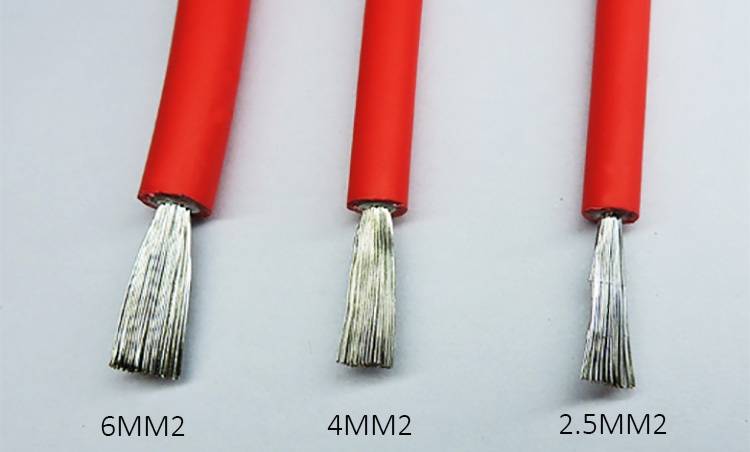
II. Development of Construction Plan
The developed construction plan should include the following:
1. Construction Schedule
The laying of the above-mentioned types of cables should generally be carried out after the power supply and receiving equipment is installed. Therefore, the cable installation schedule should be coordinated with the equipment installation schedule.
2. Personnel Organization
Since these types of cables are usually relatively short and several meters long, and the laying site is not as spacious as that for outdoor direct-buried cables, the number of workers allowed during cable laying is less than that for direct-buried cables. Therefore, careful consideration of personnel organization is needed to improve work efficiency.
3. Laying Procedure
The laying procedure for these types of cables is roughly as follows:
(1) Lay the concentrated cables first, then lay the dispersed cables.
(2) Lay the power cables first, then lay the control cables.
(3) Lay the long cables first, then lay the short cables.
The above cable laying procedure is conducive to personnel scheduling and reasonable cable arrangement. When this procedure cannot be implemented, a more reasonable construction procedure should be formulated based on the specific circumstances.
If cable problems occur, a cable fault tester can be used to detect the fault point, followed by further processing.
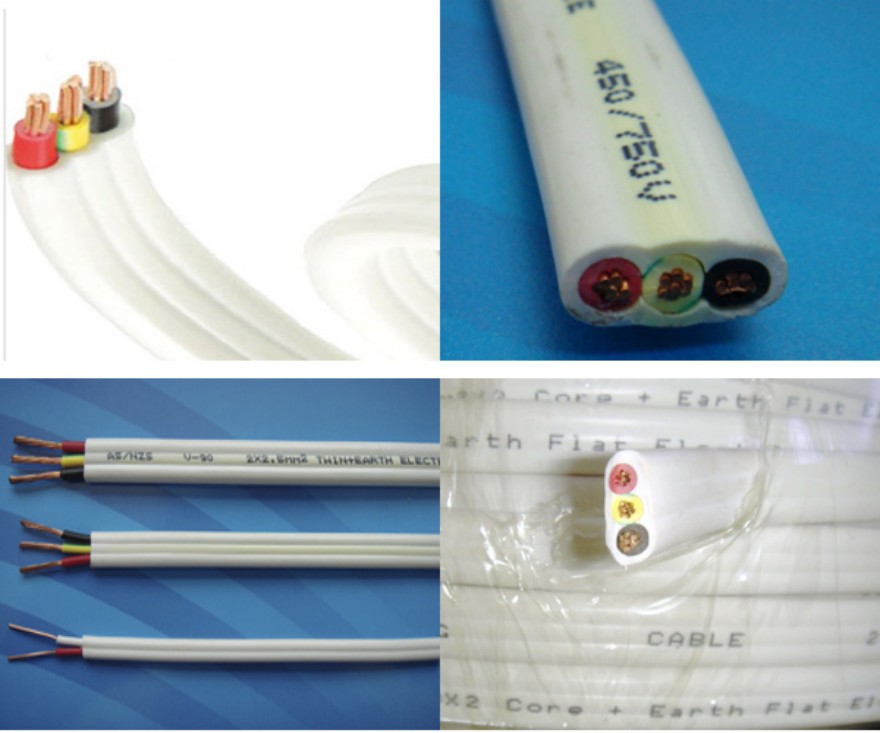
III. On-site Construction Preparation
The preparation work for cable laying includes: technical briefing, inspection of materials and tools, external communication, and other aspects are handled in accordance with the direct burial cable laying procedure.
It should be particularly emphasized that during the construction of civil engineering structures, personnel familiar with the drawings should be assigned to cooperate with the civil engineering team to ensure that the cable conduits and cable supports to be pre-buried in the structures are properly installed and that the pre-reserved holes are made, in order to avoid wasting time later or even affecting the structural strength.
In addition, a technical record sheet should be prepared, listing the start and end points, specifications, model, and length of each cable for reference during construction.
IV. Cable Laying
When laying cables, a designated person should inspect and lead the cable laying. Experienced cable workers should be stationed at bends to avoid affecting the quality of the laying. After a cable is laid, it should be immediately organized along the route and tagged. It is crucial to avoid waiting until a large number of cables have been laid before organizing and tagging them.
When multiple cables are parallel, they should bend in a consistent and parallel manner for neatness and aesthetics. At crossroads, efforts should be made to lay cables in the same direction at once, ensuring only two layers of overlapping at the intersection.
After cable laying is completed, construction personnel should immediately fill out construction technical records and draw as-built drawings based on the site conditions to meet the needs of operation and maintenance.