Recently, the wire and pv cable market has experienced frequent price fluctuations, a phenomenon that has attracted significant attention from numerous buyers. Market supply and demand, as a core factor influencing prices, is profoundly changing the landscape of the Building wire and XLPE power cable industry and has a far-reaching impact on purchasing decisions.
Market Trends: Diversified Demand Drives Price Fluctuations
With the gradual recovery of the global economy and the booming development of emerging industries, the demand for wires and cables is showing diversified characteristics. Traditional infrastructure construction sectors, such as power and transportation, have seen continued stable growth in demand for wires and cables, providing a solid foundation for the market. At the same time, the rise of emerging fields such as new energy, 5G communications, and data centers has brought new incremental demand. These fields have more stringent performance requirements for wires and cables, driving the expansion of the high-end product market.
However, the growth in demand is not without its challenges. Factors such as unstable raw material prices, international trade frictions, and tightening environmental policies have placed enormous pressure on the supply side of the wire and cable market. Fluctuations in the prices of raw materials such as copper and aluminum directly affect the production costs of wires and cables. When raw material prices rise, companies are forced to increase product prices to maintain profit margins, which is then passed on to end consumers, leading to increased procurement costs.
Product Material Characteristics: Balancing Performance and Cost
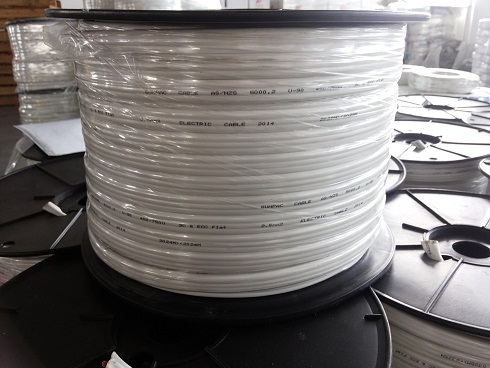
When purchasing wires and cables, material characteristics are a crucial factor that cannot be ignored. Different materials have different electrical, mechanical, and chemical properties, directly affecting the product's lifespan and safety. For example, copper conductors have excellent electrical and thermal conductivity and are commonly used in wires and cables, but their price is relatively high; aluminum conductors, while cheaper, have slightly inferior conductivity.
Furthermore, the selection of insulation and sheathing materials is also critical. High-quality insulation materials effectively prevent leakage and short circuits, ensuring electrical safety; while durable sheathing materials protect wires and cables from environmental corrosion, extending their lifespan. In the context of price fluctuations, buyers need to find a balance between performance and cost, selecting appropriate material combinations based on actual needs to maximize cost-effectiveness.
Manufacturing: Process Optimization Enhances Supply Capacity
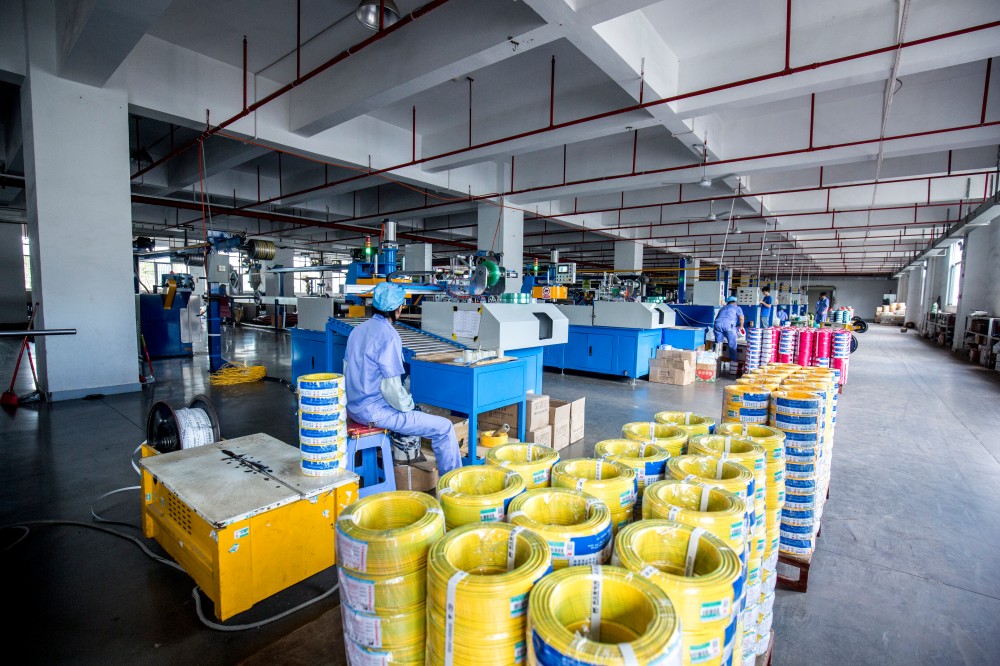
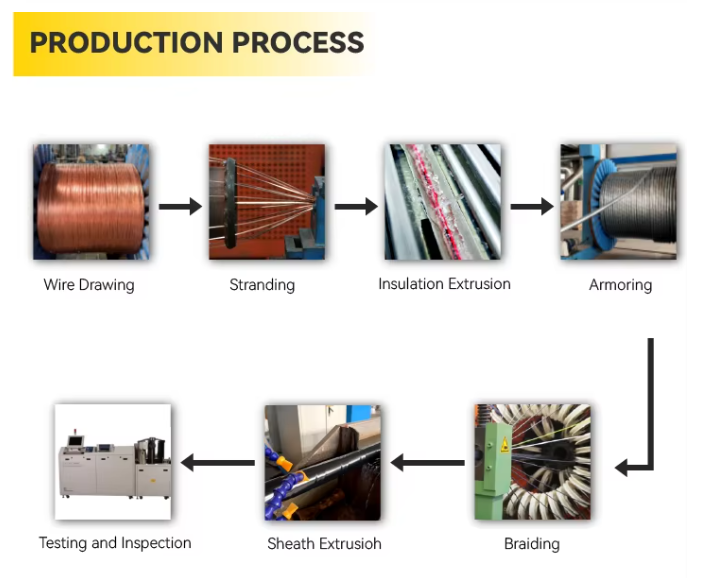
Faced with changes in market supply and demand, wire and cable companies are increasing investment in manufacturing, improving supply capacity through process optimization and technological upgrades. Advanced production equipment can improve production efficiency and reduce production costs, thereby mitigating the pressure from price fluctuations to some extent. For example, the application of automated production lines can reduce manual operations and improve product consistency and stability; intelligent production management systems can monitor the production process in real time, adjust production plans promptly, and ensure on-time product delivery.
Meanwhile, companies also emphasize quality control during the production process, strictly adhering to national standards and industry specifications to ensure that every wire and cable meets quality requirements. This not only helps enhance the company's brand image but also strengthens the buyer's trust in the product, promoting long-term cooperation.
Technological Innovation: Innovation Leads the Industry's Development Direction
Technological innovation is key for the wire and cable industry to meet market challenges and achieve sustainable development. In recent years, with the continuous emergence of new materials and processes, wire and cable products have been constantly upgraded. For example, the emergence of new products such as high-temperature superconducting cables and fiber optic composite cables provides better solutions for applications in specific fields.
For buyers, paying attention to technological innovation trends and promptly introducing advanced products and technologies can not only enhance their competitiveness but also reduce procurement costs to some extent. For example, using energy-efficient wires and cables can reduce energy consumption and operating costs; choosing products with environmentally friendly characteristics helps companies meet environmental requirements and avoid potential legal risks.
In a market environment characterized by fluctuating wire and cable prices, purchasers need to closely monitor market trends, thoroughly understand the characteristics of product materials, and examine the manufacturing capabilities and technological innovation levels of companies to make informed and rational purchasing decisions and maximize their own interests.