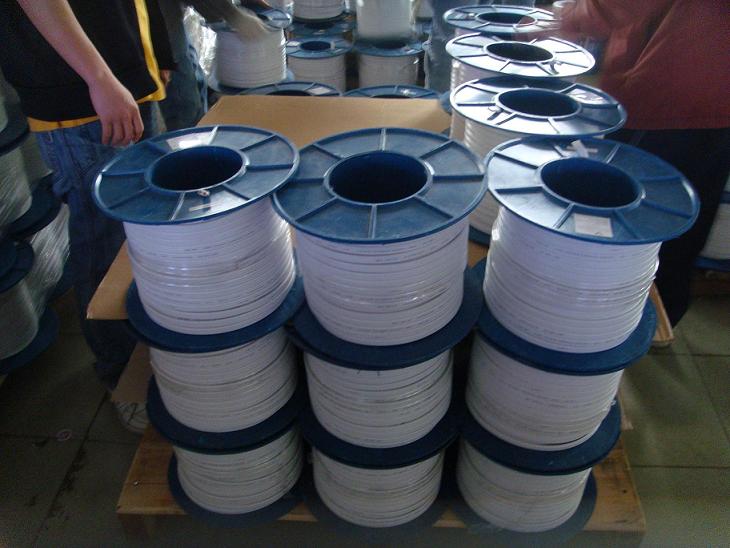
Driven by both global carbon neutrality goals and energy structure transformation, the green energy industry is reshaping the power infrastructure landscape at an average annual growth rate of 15%. As the core carrier of energy transmission, the Building Wire and cable industry is ushering in a historic opportunity—from ultra-high-voltage power transmission to distributed photovoltaics, from offshore wind power to new energy vehicle charging networks, the explosive growth of green energy scenarios is propelling the industry towards a comprehensive upgrade towards high-end, intelligent, and green development.
1. Market Demand: Structural Changes Create Trillion-Yuan Incremental Space
The diversified development of green energy is placing differentiated demands on Electrical Wires and Cables. In the field of new energy power generation, high-voltage cables used in offshore wind farms need to possess characteristics such as resistance to seawater corrosion, low-temperature resistance, and dynamic fatigue resistance; the Low Power Cable usage in a single project can reach three times that of traditional thermal power. Specialized cables for photovoltaic power plants need to withstand extreme temperature differences from -40℃ to 90℃ while meeting the requirement of a 25-year outdoor aging lifespan. In the field of energy storage systems, battery connection cables need to withstand instantaneous current surges and thermal stress changes, imposing stringent standards on the voltage withstand rating of insulation materials.
The accelerated electrification of transportation is further expanding market boundaries. High-voltage fast-charging cables for new energy vehicles need to achieve current transmission of over 600A while also being lightweight and bend-resistant; smart cables for rail transit integrate temperature sensing and stress monitoring functions, enabling fault early warning through IoT technology. Industry forecasts predict that the global market size for green energy-related cables will exceed 800 billion yuan from 2026 to 2030, with a compound annual growth rate of 12%.
2. Material Revolution: A Dual Breakthrough in Environmental Protection and Performance
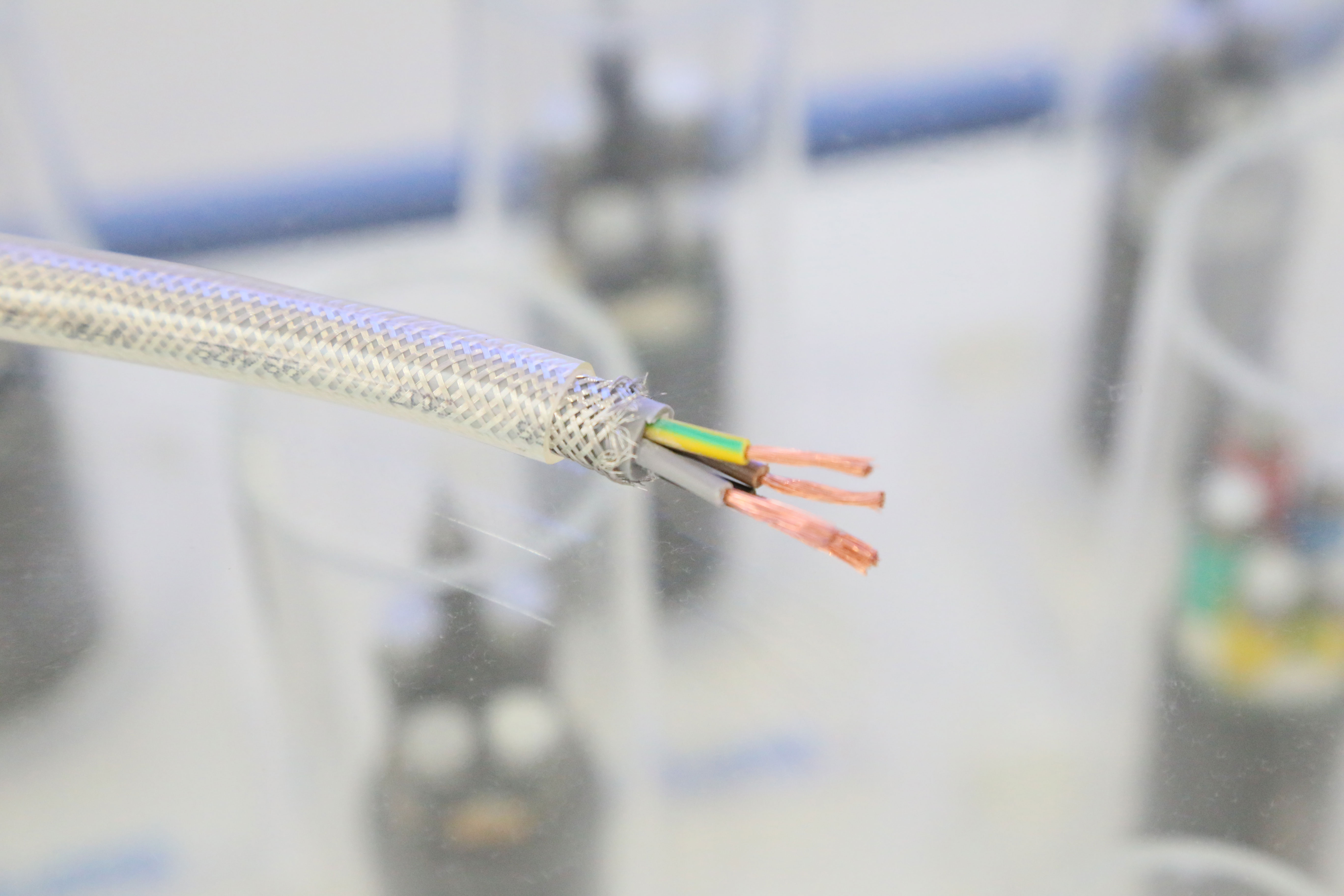
Material innovation has become the core driving force for industry upgrading. In conductor materials, copper-clad aluminum composite conductors, through alloy modification, reduce material costs by 30% while maintaining conductivity; the tensile strength of aluminum-magnesium alloy conductors has been increased to 240MPa, suitable for long-span overhead power transmission scenarios. In the field of insulation materials, cross-linked polyethylene (XLPE) has achieved a temperature resistance rating exceeding 125℃, silicone rubber materials have achieved stable operation in low-temperature environments down to -60℃, and the development of bio-based biodegradable materials reduces carbon emissions at the source.
Environmental requirements are forcing accelerated material iteration. The EU RoHS Directive and China's "Management Measures for Pollution Control of Electronic Information Products" have driven the comprehensive replacement of heavy metal stabilizers such as lead and cadmium, with the application rate of calcium-zinc composite stabilizers exceeding 85%. Low-smoke halogen-free (LSZH) materials, through the addition of inorganic flame retardants, reduce the smoke density of cables during combustion by 60%, controlling the toxicity index below 3, meeting the requirements of high-safety scenarios such as data centers and hospitals.
3. Manufacturing Upgrade: Digitalization Reshapes Production Paradigms
Intelligent manufacturing is reshaping industry competitiveness. Leading companies are integrating equipment data and process parameters through industrial internet platforms to achieve closed-loop optimization of key processes such as extrusion temperature and wire diameter control. For example, one company's AI visual inspection system reduced the product defect rate from 0.3% to 0.05%, while blockchain technology enables raw material traceability, ensuring copper rod purity of over 99.99%.
The circular economy model has become a new path to reduce costs and increase efficiency. Physical separation technology has enabled copper and aluminum recovery rates from waste cables to exceed 98%, and modified recycled plastic granules are reused in sheath production, reducing the cost per ton by 1200 yuan. A company's cable remanufacturing plant, through automated dismantling lines and smelting equipment, processes 50,000 tons of waste cables annually, equivalent to reducing carbon dioxide emissions by 120,000 tons.
4. Technological Foresight: Intelligentization Ushers in a New Era for Industry
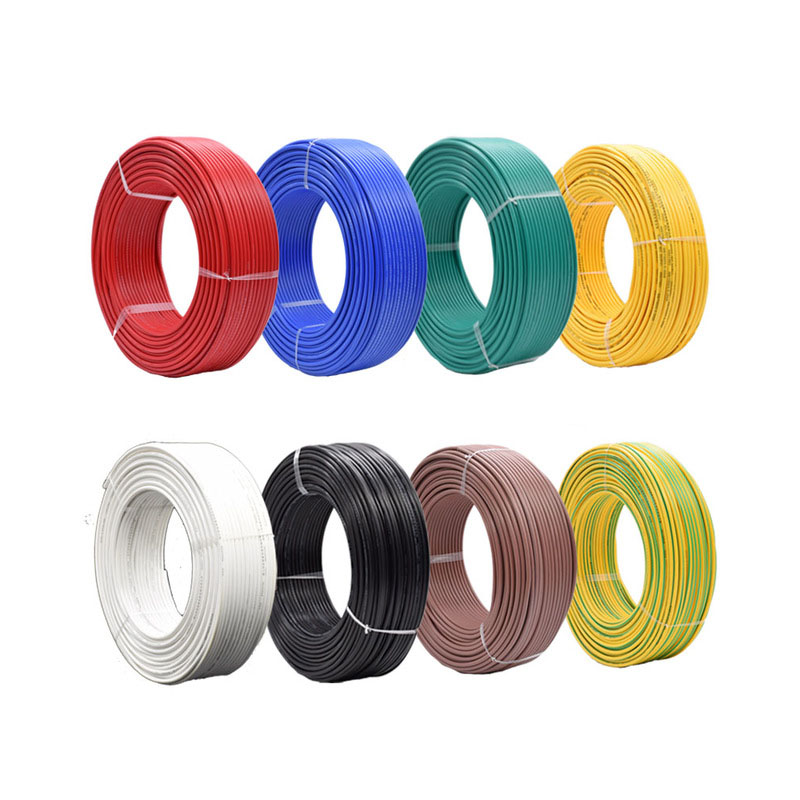
Intelligent cable technology is being implemented first in high-end scenarios. Temperature-sensing cables, with built-in fiber optic sensors, can monitor line hotspots in real time, providing fire risk warnings up to two hours in advance; stress-monitoring cables utilize piezoelectric materials to sense mechanical vibrations, enabling precise location of contact network faults in the rail transit sector. A company's 5G base station-specific cable, through high-frequency transmission design and low attenuation characteristics, reduces signal transmission loss by 40%, meeting the requirements of frequency bands above 6GHz.
Predictive maintenance systems are driving service model transformation. Operation and maintenance platforms based on big data analytics can perform deep learning modeling of cable operating data (temperature, current, vibration) to identify potential faults such as insulation aging and loose joints in advance. A company's intelligent operation and maintenance solution for photovoltaic power plants, through drone inspections and robotic operations, has increased inspection efficiency by five times and reduced annual power outage time to less than two hours.
5. Procurement Strategy: Value-Oriented Selection Logic
In green energy project procurement, cable selection must consider performance, cost, and life-cycle value. For offshore wind power projects, DNV GL-certified dynamic cables should be prioritized, as they can withstand over 10 million bends. Data center procurement requires attention to the cable's flammability rating, ensuring compliance with Class A flame retardant requirements in GB/T 19666 standard. New energy vehicle charging pile construction necessitates verification of cable TUV certification and -40℃ low-temperature bending performance.
Supplier evaluation systems are shifting from simple price competition to a comprehensive consideration of technological capabilities and sustainability. Companies with material R&D laboratories, intelligent production lines, and circular economy models offer 15%-20% lower life-cycle costs than traditional manufacturers. Procurement parties can promote the industry's green transformation by requiring suppliers to provide carbon footprint reports, recycling rate certificates, and other documentation.
At the intersection of energy revolution and industrial upgrading, the wire and cable industry is undergoing a profound transformation from "scale competition" to "value creation." Companies that master the secrets of materials innovation, build intelligent manufacturing systems, and deploy predictive maintenance services will gain a competitive edge in the green energy wave and provide solid support for the global energy transition.