

Driven by both global energy transition and the digital wave, the construction of smart grids is progressing at an unprecedented pace. From ultra-high-voltage power transmission to distributed energy access, from urban distribution network automation to rural power grid upgrades, smart grids place higher demands on the performance, reliability, and intelligence level of Building Wires and Tps Flat Cable. Faced with this market trend, wire and cable companies need to innovate manufacturing technologies, strengthen quality control, and accurately meet the needs of smart grids to gain a competitive edge in the fierce market competition.
Market Trends: Smart Grids Spur Diversified Demands
The core characteristics of smart grids are "informatization, automation, and interactivity," and their construction presents three major trends in the demand for wires and cables:
High Performance: Ultra-high-voltage power transmission, large-capacity energy storage, and other scenarios require cables with higher current carrying capacity, lower losses, and stronger anti-interference capabilities. For example, ultra-high-voltage DC pv cable need to break through the voltage withstand limit of insulation materials, while flexible DC cables need to solve the balance problem between conductor flexibility and conductivity.
Intelligence: Smart grids require cables to integrate sensors, communication modules, and other functions to achieve status monitoring, fault early warning, and adaptive adjustment. For example, optical fiber composite cables (OPLCs) can transmit both power and optical signals simultaneously, providing data support for distribution network automation.
Greening: Under the "dual carbon" goal, low-smoke, halogen-free, recyclable, and long-life environmentally friendly cables are becoming mainstream. For example, the application of bio-based insulation materials can reduce dependence on petroleum resources, while aluminum alloy conductor cables reduce transportation and installation costs through lightweight design.
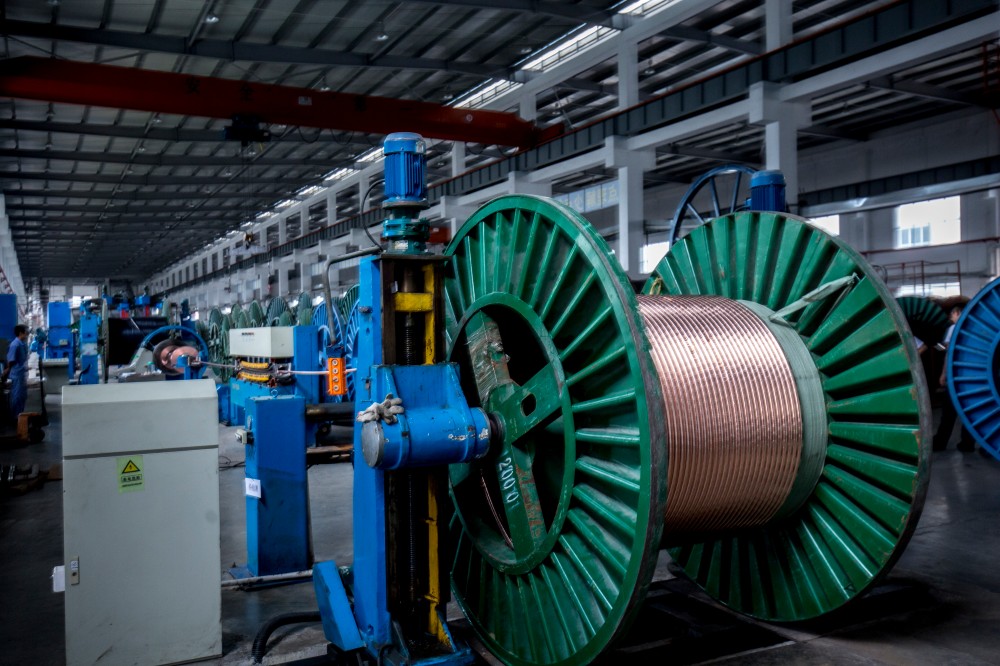
Innovative Manufacturing Technology: The Key to Overcoming Performance Bottlenecks
To meet the demands of smart grids, wire and cable companies need continuous innovation at the material, process, and equipment levels:
Material Innovation: Nanotechnology can improve the heat resistance and breakdown strength of insulation materials. For example, adding nano-silica to cross-linked polyethylene can increase the long-term operating temperature of cables from 90℃ to 110℃; the development of high-temperature superconducting materials lays the foundation for the future commercialization of superconducting cables.
Process Upgrades: Three-layer co-extrusion technology eliminates interlayer air gaps by simultaneously extruding conductor shielding, insulation, and insulation shielding layers, significantly improving the partial discharge performance of cables; laser welding technology can achieve seamless conductor connections, reducing contact resistance and the risk of overheating.
Smart Manufacturing: Introducing an industrial internet platform, sensors collect production data in real time, and AI algorithms optimize parameters for processes such as wire drawing, stranding, and extrusion, achieving precise control of the production process. For example, one company shortened the cable production cycle by 30% and reduced material waste by 5% through an intelligent scheduling system.
Quality Control: Building a Full Lifecycle Quality Management System.
Smart grids place stringent requirements on cable reliability, necessitating comprehensive quality control across the entire process from design and production to operation and maintenance:
Design Stage: Employing simulation software to model cable performance under extreme environments, such as optimizing conductor structure through finite element analysis to ensure mechanical integrity under short-circuit current impacts.
Production Stage: Strictly adhering to international standards (such as IEC 60502 and GB/T 12706), batch testing of raw materials and 100% partial discharge and withstand voltage tests on finished products. For example, one company introduced online diameter gauges and EDM machines to monitor insulation thickness and surface defects in real time, controlling the defect rate to below 0.1%.
Operation and Maintenance Phase: Collaborating with power grid companies to develop cable condition monitoring systems. Utilizing technologies such as distributed fiber optic temperature measurement and online partial discharge monitoring, potential faults can be predicted in advance, extending cable lifespan.
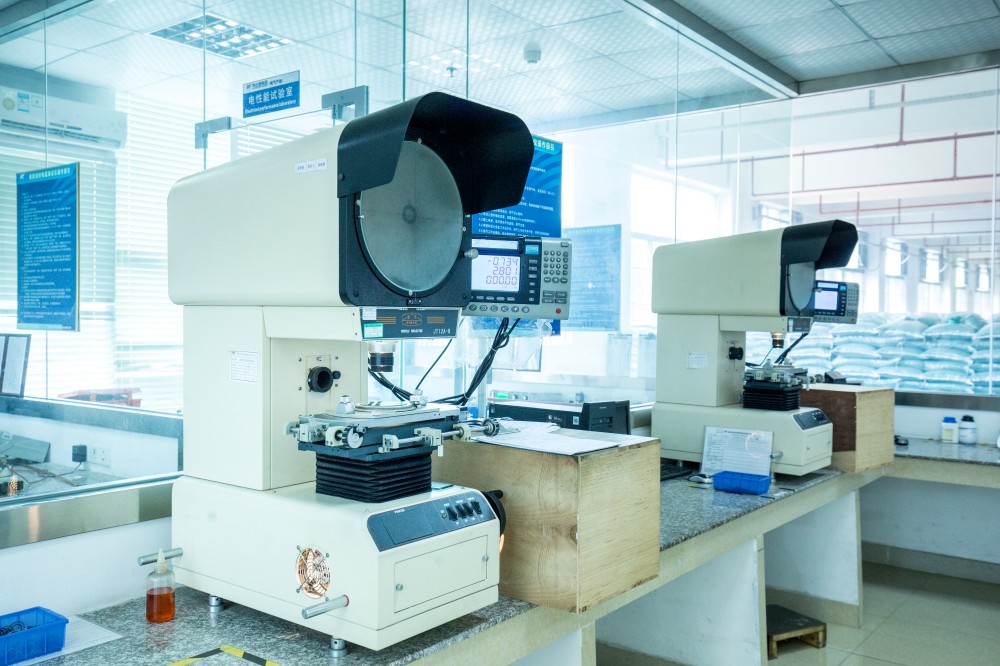
The construction of smart grids has brought vast market opportunities to the wire and cable industry, but it also places higher technical barriers and quality requirements on enterprises. Only through continuous innovation in manufacturing technologies and the establishment of a full life-cycle quality management system can enterprises create high-performance, intelligent, and green products that meet the needs of smart grids and achieve high-quality development in the energy transition wave. In the future, with the deep integration of technologies such as digital twins and 5G communication, wires and cables will no longer be merely carriers of electricity transmission, but will become the "nerve endings" of smart grids, providing crucial support for the construction of the global energy internet.