Driven by the global energy transition and the wave of intelligentization, the wire and cable industry is undergoing a comprehensive upgrade of safety standards. From the fire resistance of high-voltage cables to the high-temperature resistance requirements of cables for new energy vehicles, international certification systems are setting higher standards for product safety, environmental friendliness, and scenario adaptability.
I. Core Directions of International Safety Standard Upgrades
1. Refined Control of Fire Resistance Performance
Taking China's "Technical Requirements for Fire Protection of Power Cables and Conduits" implemented in 2025 as an example, high-voltage cables (110kV and above) are required to use flame-retardant materials in tunnels, substations, and other scenarios, and must pass stringent indicators such as bundled burning tests (char height ≤ 2.5 meters) and B1-level flame-retardant tests (flame spread ≤ 1.5 meters, peak heat release ≤ 30kW). The EU CE certification's LVD directive (Low Voltage Directive) also explicitly requires cables to pass a burning droplet test to avoid secondary fire risks.
2. Environmental Protection and Extreme Scenarios
The RoHS directive restricts the use of hazardous substances such as lead and cadmium, while UL certification adds smoke toxicity and corrosivity grading tests, requiring cables to have a smoke density transmittance of ≥60% during combustion to ensure visibility for fire escape. In extreme temperature scenarios, fire resistance testing temperatures have increased from 750℃ to 950℃, and fire-resistant sealing components must have a fire resistance limit of 1-3 hours to meet the high-temperature challenges of real fires.
3. New Energy and Intelligentization Needs
Cables for new energy vehicles must meet the ISO 19642 standard, possessing properties such as resistance to high temperatures up to 125℃, vibration resistance, and electromagnetic interference resistance. Fiber optic composite cables for smart grids must integrate temperature monitoring functions to achieve online current carrying capacity assessment. Furthermore, the flexible joint technology for 500kV ultra-high voltage submarine cables and the oxygen index (≥32%) of torsion-resistant flexible cables for wind farms have become industry technical thresholds.
II. Four Key Points for Selecting Products Compliant with International Certifications
1. Verify Certification Marks and Standard Numbers
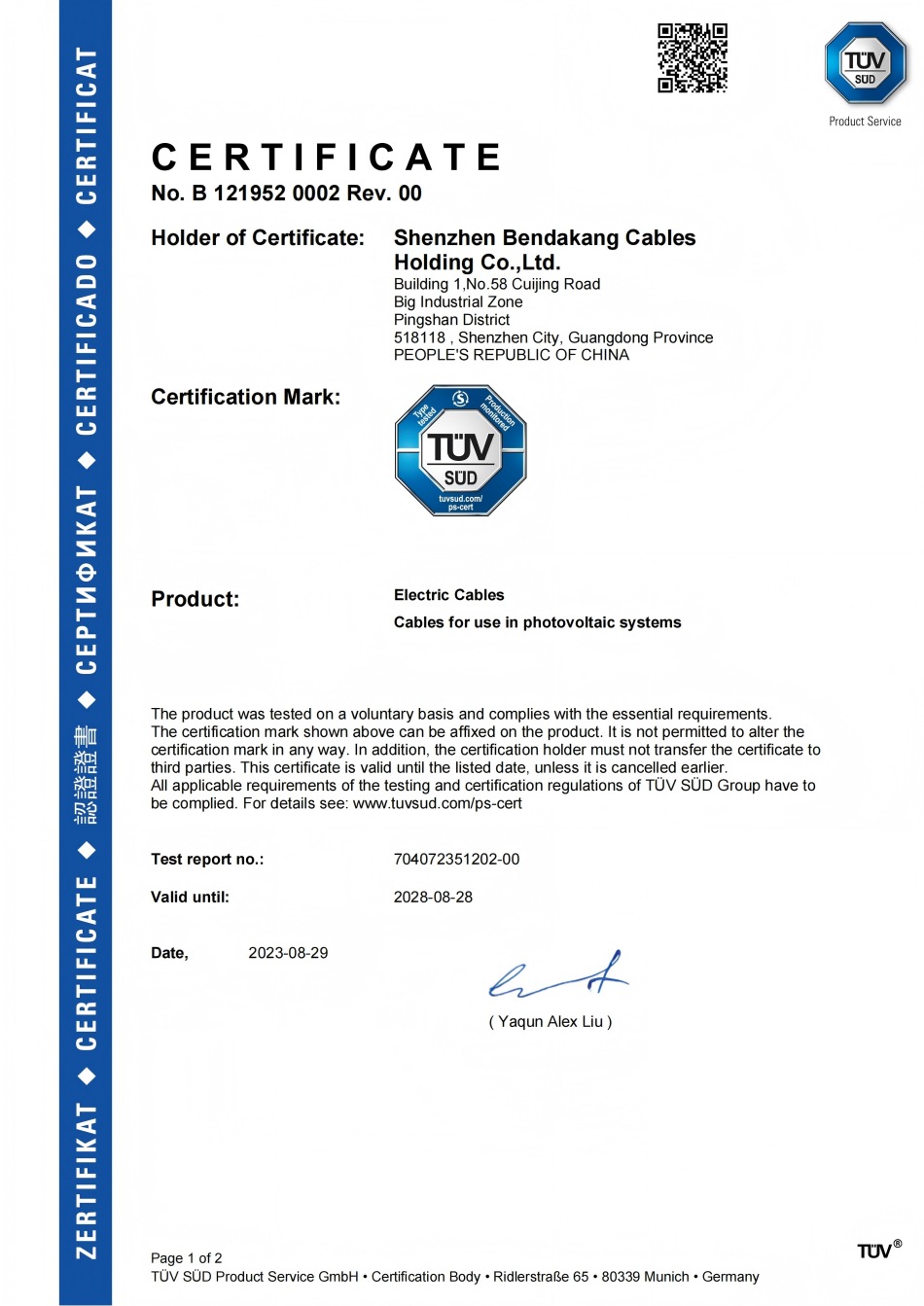
Legitimate products should bear certification marks such as CE, UL, and CSA, and be accompanied by complete standard numbers (e.g., GB/T 12706-2020, IEC 60228). For example, the EU market requires products to comply with LVD (safety), EMC (electromagnetic compatibility), and RoHS (environmental protection) directives simultaneously; none can be omitted.
2. Verify Key Performance Indicators
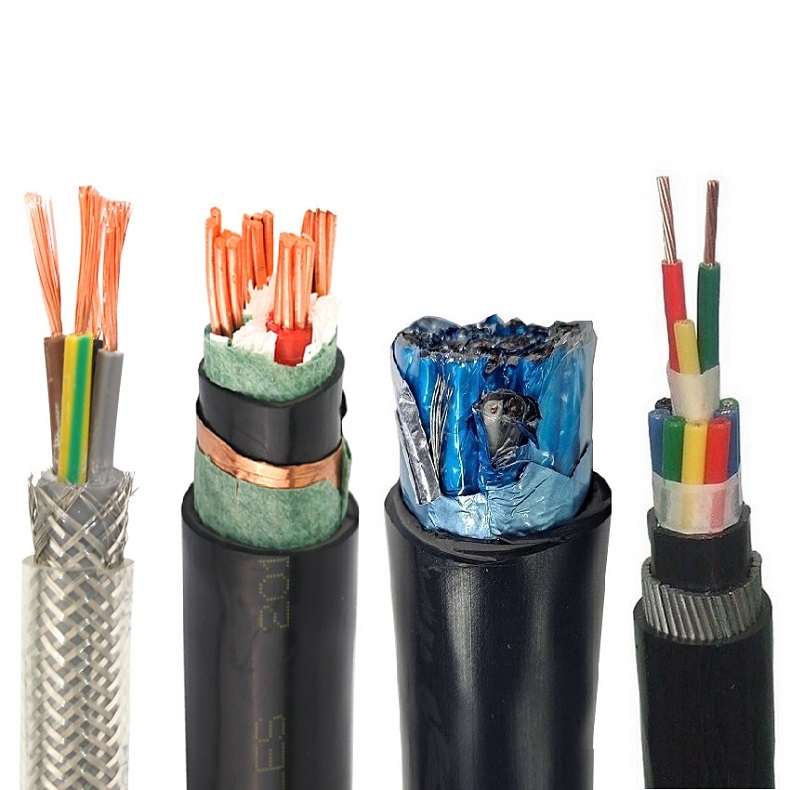
Conductor Quality: High-quality copper cores are bright reddish, while inferior copper with many impurities is dark or yellowish. You can test this by lightly touching the tip of the copper wire with your palm; high-quality products feel smooth and do not cause any stinging sensation.
Insulation Layer: Repeatedly bend the wire end; high-quality insulation (such as cross-linked polyethylene) has strong fatigue resistance and leaves no white residue after compression; inferior recycled plastic is easily broken.
Flame Retardancy: Peel off the insulation layer and ignite; high-quality products extinguish immediately upon removal of the flame, while inferior products continue to burn and drip residue.
3. Assessing Scenario Suitability
Building Scenarios: Prioritize fire-resistant cables with a fire resistance time ≥180 minutes and meeting GB 50217-2018 standards to meet the fire protection requirements of high-rise buildings.
Industrial Scenarios: Chemical plants require fluoroplastic insulated cables (acid and alkali resistant), and electronics factories require control cables with a shielding coverage ≥90% for precision equipment.
New Energy Scenarios: Photovoltaic power plants require cables with a temperature resistance range of -40℃ to 105℃, while energy storage power plants require a cycle life ≥10,000 cycles.
4. Comparing Price and Cost Balance
Low-priced products may cut corners (e.g., aluminum mixed into copper cores, insufficient insulation thickness), leading to a surge in long-term operation and maintenance costs. For example, flame-retardant cables conforming to the new national standards, although more expensive per unit, do not require additional fire-retardant coatings, resulting in lower overall costs.
III. Market Trends and Project Adaptation Strategies
1. High-End and Intelligent Upgrades
The global wire and cable market is shifting from "price competition" to "technology competition." The demand for high-end products such as ultra-high voltage cables, intelligent monitoring cables, and high-voltage lines for new energy vehicles is surging. Enterprises need to enhance their competitiveness through material innovation (such as nano-modified insulation materials) and technological breakthroughs (such as laser welding).
2. Addressing Regional Standard Differences
Certification requirements vary significantly across different markets: North America emphasizes UL certification for fire protection, the EU stresses CE environmental compliance, and the Middle East requires cables to pass Saudi SASO dust resistance testing. Enterprises need to establish regionalized product portfolios and avoid a "one-size-fits-all" approach.
3. Full Lifecycle Management
A comprehensive safety system needs to be built from design and production to operation and maintenance. For example, when providing cables for subway projects, intelligent monitoring systems can be integrated to provide real-time feedback on temperature and current carrying capacity data, providing early warnings of potential failures and extending product lifespan.
Upgrading safety standards is essential for the industry's high-quality development. Enterprises need to use international certifications as a benchmark, focusing on material innovation and scenario adaptation, while providing users with full-process support from selection to operation and maintenance. Driven by the "dual carbon" goals and the new energy revolution, only products that balance safety, environmental friendliness, and economy can gain a competitive edge in the global market.