

The operation of power cables is a crucial aspect of our daily lives, work, and production. The safety of cable lines directly impacts the safety of enterprises and the lives and property of the people; therefore, cable maintenance is a very important task.
Power transmission requires not only the safe operation of cables but also the coordination of cable-related equipment. Now, let's learn about the equipment besides the cable itself: cable heads.
1. What is a Cable Head?
A cable head, also known as a cable joint, is a connection point between sections of a cable after it has been laid, ensuring a continuous line. Cable joints located in the middle of a cable line are called intermediate joints, while those at the ends of the line are called terminal joints. Cable joints are used to lock and secure the incoming and outgoing cables, providing waterproofing, dustproofing, and vibration protection.
2. Cable Termination Classification
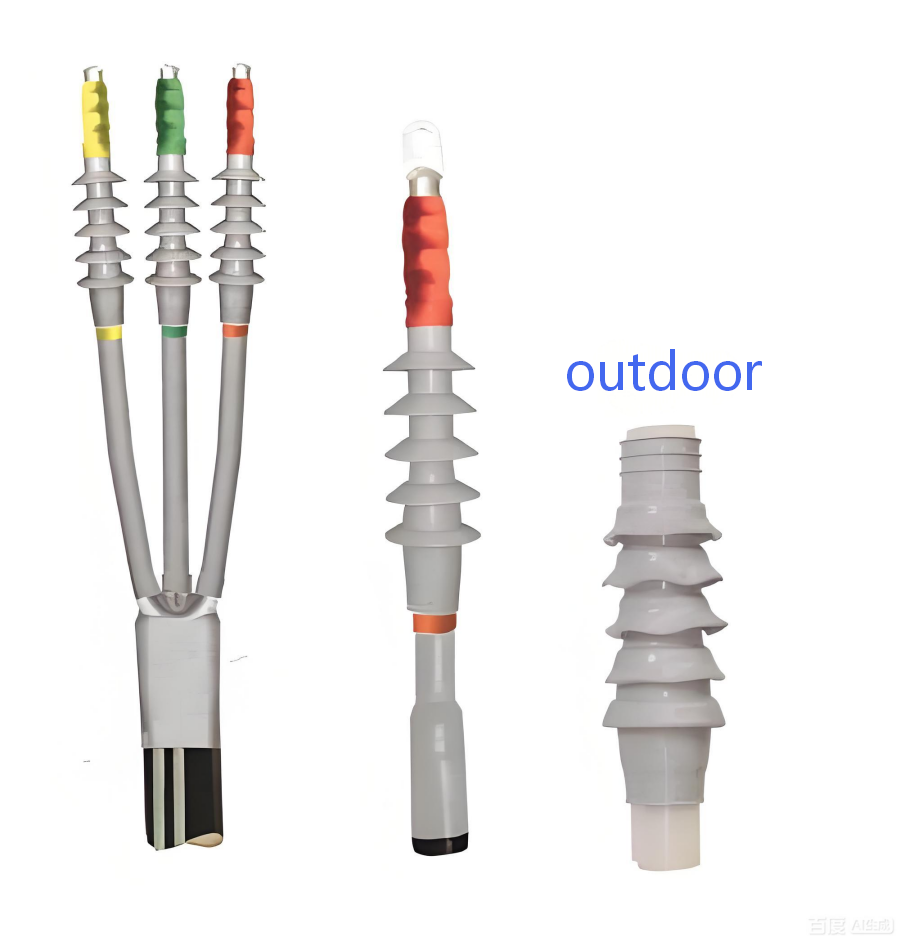
By installation location: Indoor and outdoor.
By location: Power cable intermediate terminations, power cable terminal terminations, and complete terminal terminations.
By manufacturing and installation materials: Heat-shrinkable (most common), dry-packed, epoxy resin cast, and cold-shrinkable.
By core material: Copper core power cable terminations and aluminum core power cable terminations.
By connector material: Plastic cable terminations and metal cable terminations. Metal cable terminations include multi-hole waterproof metal cable terminations, bend-resistant metal cable terminations, double-locking waterproof metal cable terminations, plastic flexible conduit cable terminations, and metal flexible conduit cable terminations.
By installation location: Indoor and outdoor.
By core material: Aluminum core cable terminations and copper core cable terminations.
3. Fusion Splicing Intermediate Termination Joints
Technology: Cable intermediate terminations manufactured using fusion splicing technology possess low resistance and high connection strength characteristics.
Structural Features: The fusion-bonded cable joint completely restores the original cable structure. The conductor, inner semiconductor layer, main insulation, and outer semiconducting layer at the joint are restored to their original form, ensuring an equivalent match between the cable joint and the complete cable structure. The seamless, interface-free fusion-bonded cable eliminates interfaces, preventing electrical hazards caused by air gaps between the cable insulation and the joint insulation. The materials used for all layers are the same as the cable, and the structure forms a concentric cylinder consistent with the cable body, resulting in a more uniform electric field distribution.
The fusion-bonded intermediate joint requires no special crimping tools, eliminating the risk of loose conductor connections and high contact resistance due to mismatched crimping molds. The conductor joints utilize exothermic welding technology, providing equal diameter, low resistance, and high strength conductor connections, meeting the requirements for withstanding instantaneous fault current surges.
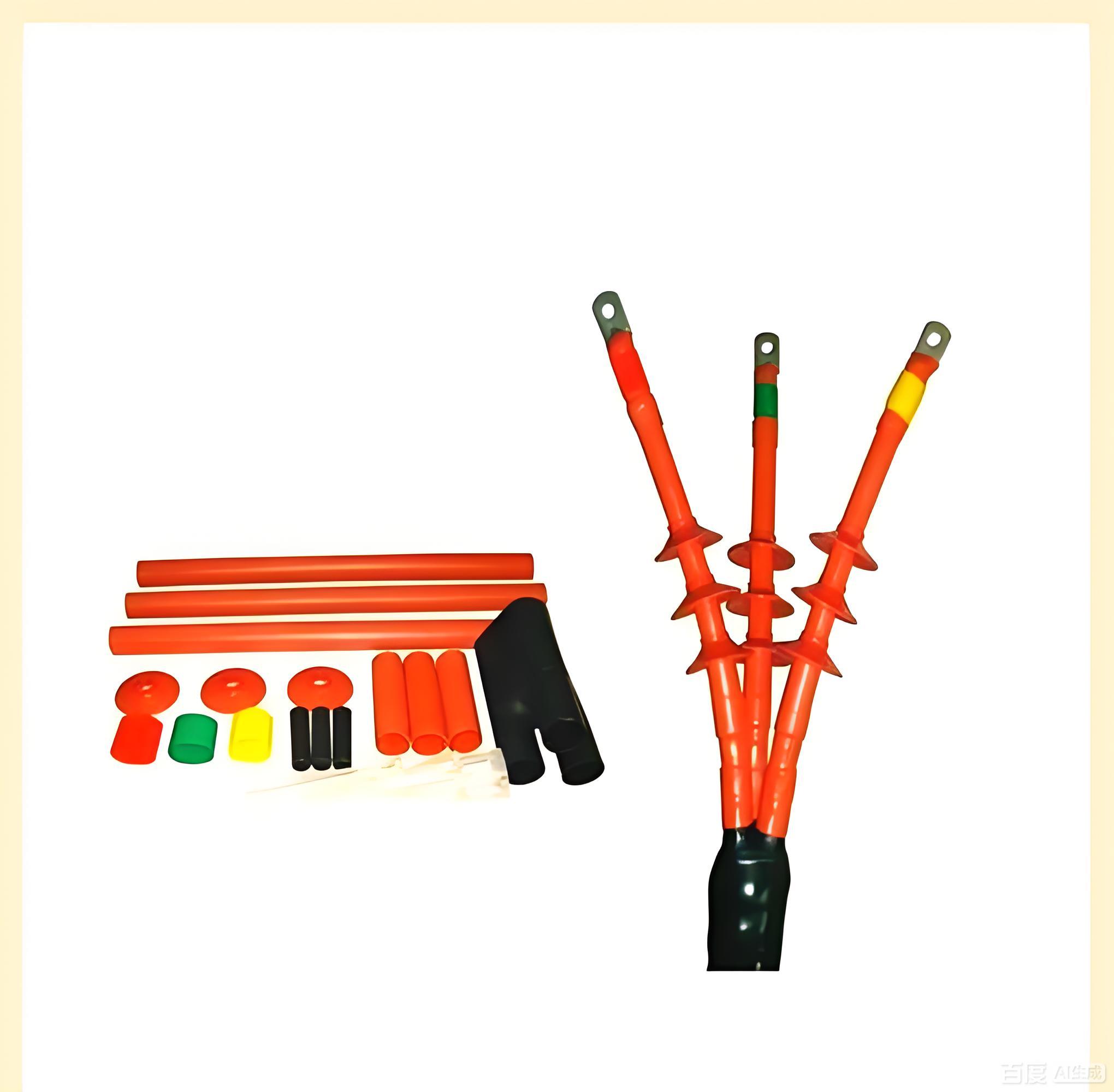
Furthermore, the fusion-bonded intermediate joint restores the original cable structure, eliminating interface effects through a seamless, interface-free fusion-bonded cable. The joint body and all layers of the cable body are fused together to form a single unit, eliminating interfaces and inherently possessing internal waterproof properties.
In addition, we must consistently conduct regular safety inspections of cables and cable equipment. Wires and electrical equipment should be thoroughly inspected by professionals at least once a year, especially for older wiring and connections. Any signs of aging, damage, or poor insulation should be promptly repaired or replaced to ensure electrical safety.
When purchasing wires and cables, always choose reputable manufacturers and carefully check the quality. Do not buy substandard wires simply because they are cheaper.