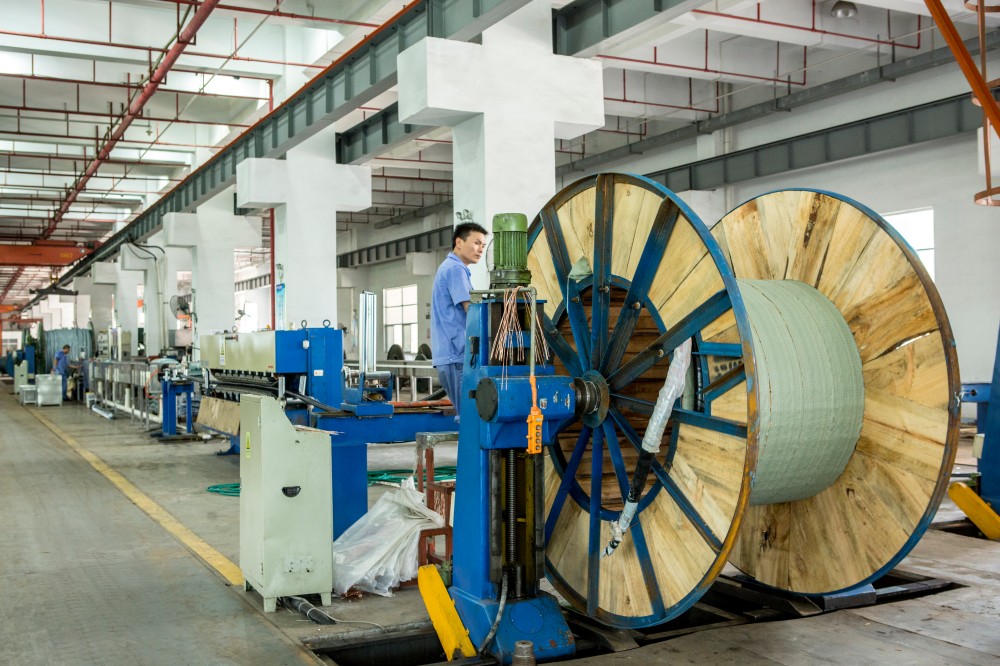
Power cables are a crucial component of the power distribution network and play a vital role in the long-term stable development of power supply companies; therefore, they must be given high priority. This requires a thorough evaluation and understanding of the relevant issues during power cable installation, and appropriate preventive measures must be taken against potential problems. If any problems arise, targeted measures should be taken immediately to resolve them, ensuring safe and reliable operation of power cables through scientific and high-quality construction methods. So, what precautions should be taken during power cable installation?
1. Moisture Protection of Power Cables
Based on operating experience, faults in medium and low-voltage power cables mainly occur at intermediate joints and terminals. These faults are primarily caused by poor sealing and moisture intrusion, leading to a decrease in insulation strength. Since medium and low-voltage power cable networks often use a branched power supply method, resulting in a large number of cable terminals, sealing the cable terminals and intermediate joints is one of the important measures to ensure the safe and reliable operation of the cables.
Eddy Current Problems Caused by High-Current Power Cables: During construction, power cables may be installed using steel frames, steel protective pipes, cable clamps, and overhead laying methods. Any steel (iron) closed loop formed around the power cable will generate eddy currents, especially in high-current power cable systems where the eddy currents are significant. During cable installation, measures must be taken to prevent the formation of steel (iron) closed loops around the cable to prevent eddy currents.
2. Mechanical Damage Caused by Cable Bending
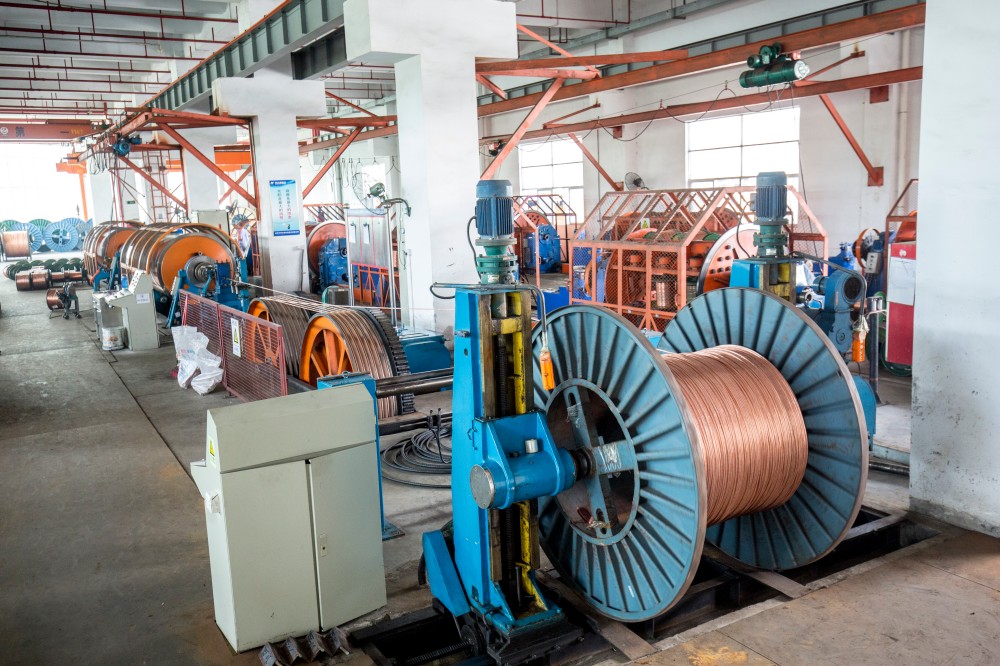
Due to their large outer diameter, power cables are difficult to transport and lay, and require a larger bending radius. During construction, if the cable bending angle is too large, it can cause mechanical damage to the internal conductors, leading to a decrease in cable insulation strength. This mechanical damage can lead to cable head failures. In one case, during cable head fabrication, the three cable heads were initially the same length. However, due to terrain limitations, the middle phase cable head was longer when connected to the equipment, forming an arch shape, and the cable head root was damaged by discharge. Subsequently, measures were taken to appropriately shorten the connection length of the middle phase cable head during equipment connection, ensuring that the three-phase cable heads were not subjected to external forces. Practical experience has proven that this improved the operational performance. Therefore, during cable installation, the torque applied to the cable should be minimized as much as possible. When bending and laying the cable, it should be allowed to bend naturally to prevent internal mechanical damage.
3. Grounding Issues of Medium and Low Voltage Power Cables
In public medium and low voltage power cable networks, due to unequal three-phase loads, if cables with metal protective layers are used, the grounding of the metal protective layer must be considered. Any ungrounded induced voltage on the metal protective layer under normal conditions should not exceed 100 volts. In medium and low voltage cable networks, all cable joints should be equipped with grounding electrodes (networks) to ensure reliable grounding of the metal sheath.
It is essential to pay attention to the above points during construction, and even more importantly, to choose high-quality cable products when purchasing cables.