

I. Material Purity
Oxygen-Free Copper Network Cables: Utilize high-purity oxygen-free copper (OFC 4N) with a purity exceeding 99.95%, an oxygen content ≤ 0.003%, and a total impurity content ≤ 0.05%. The conductor is virgin copper, free of recycled impurities.
All-Copper Network Cables: These cables are actually bronze (a copper-zinc alloy), a recycled copper with lower purity and containing zinc and other impurities. Some all-copper network cables have an oxygen-free copper coating on the outside of the bronze conductor, but the inner layer remains bronze with high impurities.
The internal cable material of Ethernet cables varies depending on price and application. While we generally refer to these cables as oxygen-free copper, other names also exist, such as copper-clad copper, copper-clad silver, and copper-clad steel.
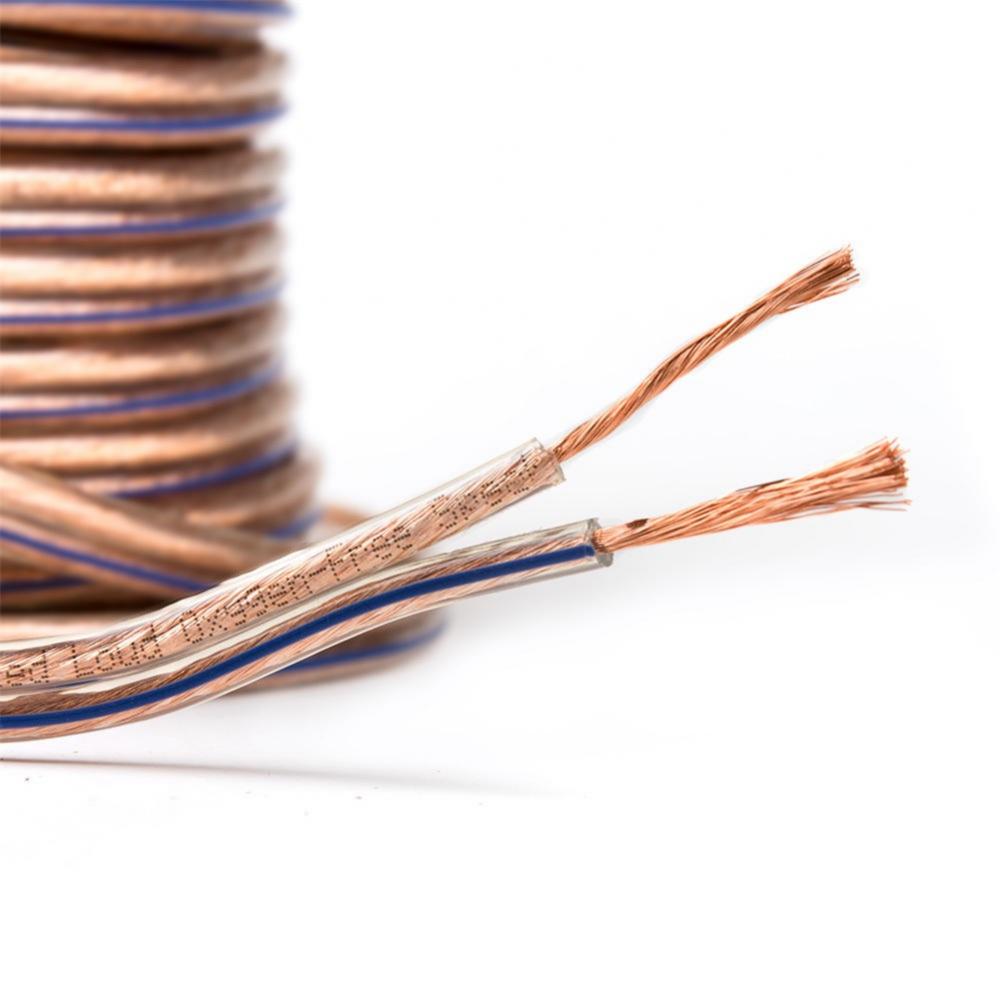
1. Copper-clad steel: Made of steel with a copper coating on the outside, these cables offer high electrical conductivity, strong rigidity, and are relatively stiff and resistant to bending and deformation. Steel has a higher melting point than copper (copper melts at around 1000°C, steel melts at around 1500°C). Therefore, using a lighter to burn copper will melt the steel first, causing sparks and darkening the steel's color (steel easily oxidizes and turns black). Furthermore, copper-clad steel will stick to a magnet.
2. Copper-clad aluminum: This material consists of an aluminum core coated with copper. When burned with a lighter, it immediately droops and turns gray. The burned copper-clad aluminum conductor breaks easily with a twist of the fingers. It is brittle and tends to break into multiple sections. Furthermore, copper-clad aluminum has a low specific gravity, only one-third that of copper (the specific gravity of copper-clad aluminum is approximately 3.0 g/cm², while the specific gravity of pure copper is 8.9 g/cm²).
3. Copper-clad copper: The core is brass, with a layer of pure copper plated on the surface. Brass is an alloy of copper and zinc, and its surface color is dull and not very shiny. Cut the wire end open. If the outer surface is red and the center is yellow, it is copper-clad copper. Scrape the wire with a knife to a certain extent. If the reddish color appears, it is pure copper; if the inner part appears yellow, it is brass.
4. Pure copper (Oxygen-free copper (OFC 4N): OFC 4N is 99.99% pure copper, contains no oxygen and no deoxidizer residue, and has excellent electrical and thermal conductivity, ductility, and corrosion resistance. To identify pure copper (Oxygen-free copper (OFC 4N)), its surface is bright red. When heated with a lighter, it slowly melts into a small dot. Unburned areas turn reddish-black, returning to their original color after cooling. Note that if the surface changes color, it's due to oxidation caused by the fire; scraping off the surface will still reveal the reddish color underneath.
III. Performance
Conductivity and Resistance
Oxygen-free copper network cable has extremely low resistance, typically ≤30 ohms over a 300-meter length and ≤10 ohms over a 100-meter length. This minimizes signal transmission loss and supports stable long-distance transmission (100-150 meters).
All-copper network cable has higher resistance, approximately 110 ohms over a 300-meter length. This resistance is significantly higher than oxygen-free copper over a 100-meter length, limiting transmission distance (80-100 meters) and causing significant signal attenuation.
Oxidation and Corrosion Resistance
Because it contains virtually no oxygen, oxygen-free copper exhibits strong oxidation resistance and is less susceptible to corrosion in humid environments, resulting in a service life of over 10 years. All-copper network cables contain impurities, have weak oxidation resistance, and are easily oxidized in humid environments. Their lifespan is approximately 5-10 years.
Flexibility and Tensile Strength
Oxygen-free copper network cables offer excellent flexibility and high tensile strength, making them less prone to breakage during installation and suitable for complex wiring environments.
Because of the impurities, all-copper network cables have poor flexibility and low tensile strength, making them easily damaged by bending or pulling.
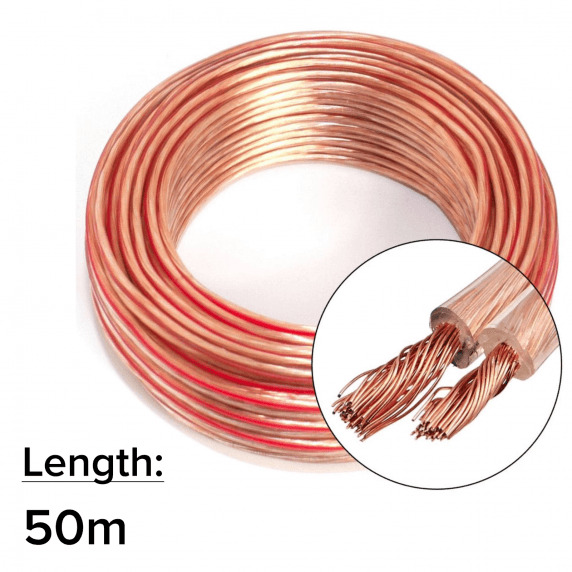
Oxygen-free copper is pure copper that contains no oxygen and no deoxidizer residue (although it still contains very trace amounts of oxygen and some impurities). According to standards, the oxygen content should be no more than 0.003%, the total impurity content no more than 0.05%, and the copper purity should be greater than 99.95%.
Oxygen-free copper (Oxygen-free copper) boasts high purity, excellent electrical and thermal conductivity, hot and cold workability, good weldability, and corrosion resistance, making it a suitable material for high-quality network cables. In addition to Oxygen-free copper (Oxygen-free) network cables, bronze network cables, also known as all-copper or copper-clad copper, are commonly available on the market.
Bronze network cables are generally chosen for small, long-life projects, while larger projects often choose Oxygen-free copper (Oxygen-free) network cables for network signal transmission. The transmission performance and distance of network signals are both directly related to the cable material. The better the conductor material, the lower the resistance, the better the transmission performance, and the longer the transmission distance.
Because Oxygen-free copper is purer than bronze, its resistance is significantly lower than that of bronze. Within 300 meters, the resistance of bronze network cables is approximately 110 ohms, while that of Oxygen-free copper cables is only approximately 30 ohms.
The effective transmission distance of a network cable is also related to its resistance. Under normal circumstances, oxygen-free copper (OFC) network cables can transmit approximately 120-150 meters, while bronze cables can only transmit approximately 70 meters. Both OFC and bronze cables have relatively stable physical properties and high oxygen resistance, and their colors are essentially the same. Bronze cables are coated with an OFC layer, making them indistinguishable from the surface. If you cannot distinguish between OFC and bronze cables, you can scrape the surface or cross-section with a knife.
V. Application Scenarios
Oxygen-free copper network cables are suitable for scenarios requiring high network stability, transmission speed, and distance, such as enterprise networks, data centers, HD video surveillance, and concealed wiring in home renovations. Their low resistance and long transmission distance ensure signal stability and reduce the need for repeater equipment.
All-copper network cables are often used in budget-constrained scenarios with lower performance requirements, such as small offices and home network connections. While they are relatively affordable, they require limited transmission distance and should be avoided over long distances or in high-interference environments.