

White copper, brass, red copper (also known as "red copper"), and bronze (bluish-gray or grayish-yellow) are distinguished by their color. White copper and brass are extremely easy to distinguish; red copper (pure copper, impurities <1%) and bronze (other alloying elements approximately 5%) are slightly more difficult to distinguish.
Unoxidized, red copper is brighter than bronze, while bronze has a slightly bluish or darker yellow hue. Oxidized, red copper turns black, while bronze takes on a bluish-green (due to the harmful oxidation of water) or chocolate-colored hues. Bronze originally referred to a copper-tin alloy. Later, all copper alloys except brass and white copper were called bronze, often prefixed with the name of the first major element added. Tin bronze offers excellent casting properties, friction reduction, and mechanical properties, making it suitable for manufacturing bearings, worm gears, gears, and other materials.
Lead bronze is a widely used bearing material in modern engines and grinding machines. Aluminum bronze offers high strength, wear resistance, and corrosion resistance, making it suitable for casting high-load gears, bushings, marine propellers, and other materials. Beryllium bronze and phosphor bronze have high elastic limits and good electrical conductivity, making them suitable for manufacturing precision springs and electrical contact components. Beryllium bronze is also used to manufacture spark-free tools used in coal mines, oil depots, and other applications.
White copper is a copper alloy with nickel as the primary additive. Common white copper is a binary copper-nickel alloy; alloys with added elements such as manganese, iron, zinc, and aluminum are called complex white copper. Industrial white copper is divided into two categories: structural white copper and electrical white copper.
Structural white copper is characterized by excellent mechanical properties, corrosion resistance, and a beautiful color. This type of white copper is widely used in the manufacture of precision machinery, chemical machinery, and shipbuilding components.
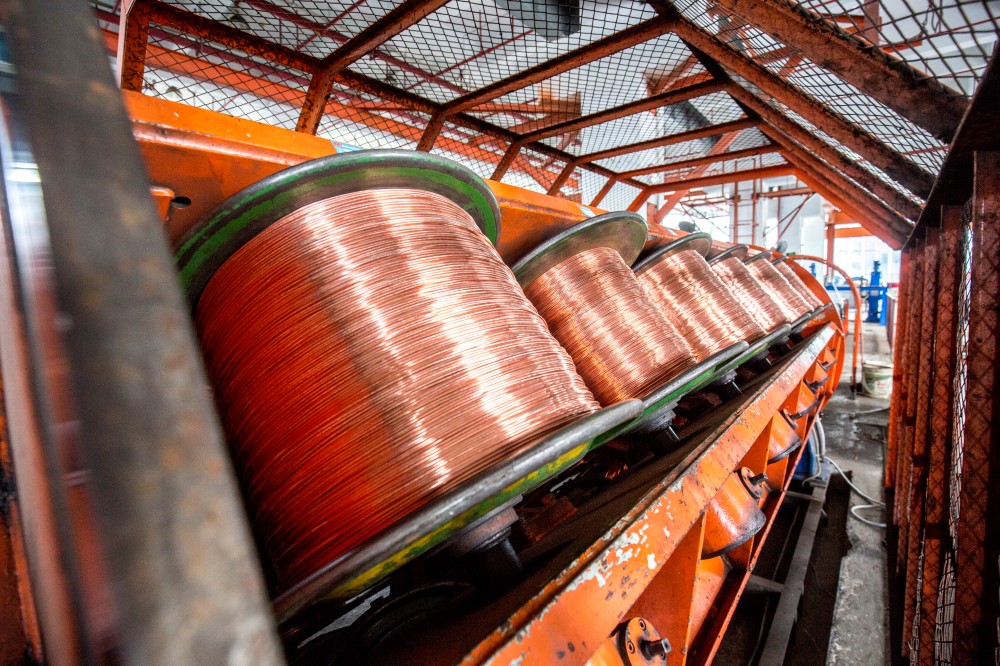
Electrical white copper generally has good thermoelectric properties. Manganese copper, constantan, and corundum are different types of white copper with varying manganese contents. They are used in the manufacture of precision electrical instruments, varistors, precision resistors, strain gauges, thermocouples, and other materials.
Compared to other copper alloys, white copper boasts exceptionally superior mechanical and physical properties, including excellent ductility, high hardness, attractive color, corrosion resistance, and deep-drawing performance. However, its main added element, nickel, is a scarce strategic commodity and relatively expensive.
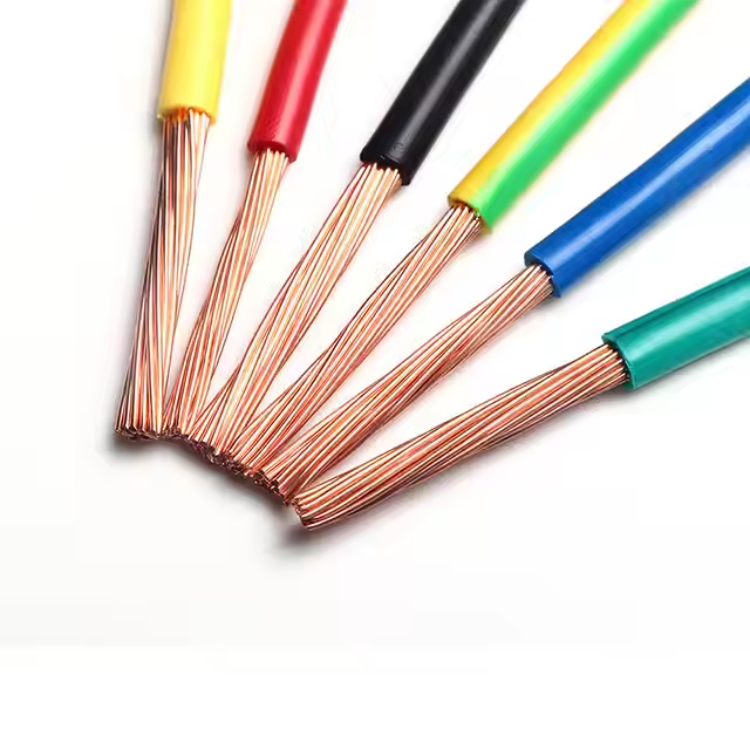
First, let's take a look at pure copper. Red copper is the type of copper with the highest copper content, reaching 99.5%-99.95%, hence the name. Pure copper is pure elemental copper of exceptional purity. Oxidation forms a purple oxide film on the surface, giving it a rosy red color. Red copper is typically refined using electrolysis, achieving a purity of up to 99.99%. Red copper also exhibits excellent plasticity and softness, making it easy to shape and install. Red copper is highly ductile. A drop of pure copper, the size of a drop of water, can be stretched into a two-kilometer-long wire or rolled into a nearly transparent foil larger than a bed. In terms of performance, copper has excellent plasticity, electrical conductivity, and thermal conductivity, making it commonly used in cables, wires, and heat sinks.
Brass is a type of copper alloyed with other components. Its electrical conductivity and plasticity are slightly lower than copper, but it offers greater strength and hardness. Brass is known for its yellowish surface color.
Brass is an alloy of copper and zinc. The simplest brass is a copper-zinc binary alloy, known as simple brass or ordinary brass. Varying the zinc content in brass can produce brass with varying mechanical properties. A higher zinc content increases its strength and slightly reduces its plasticity. Brass used in industry should contain no more than 45% zinc. Higher zinc contents can lead to brittleness and deteriorate the alloy's properties.
Adding 1% tin to brass significantly improves its resistance to corrosion from seawater and marine atmospheres, hence the name "naval brass." Tin also improves brass's machinability. Lead brass, commonly known as easy-to-cut national standard copper, is added primarily to improve machinability and wear resistance, but lead has little effect on brass' strength. Engraving brass is also a type of lead brass. Most brasses have good color, machinability, and ductility, making them easy to electroplate or paint.
In both industrial and civilian applications, different materials are selected based on their specific needs. For example, copper is preferred for electrical wiring, which requires flexibility. For connectors, brass is often used for screw connections.
Bronze is the oldest alloy in the history of metallurgy. Alloys made by adding tin or lead to pure copper (red copper) hold special importance and historical significance. Compared to pure copper (red copper), bronze boasts greater strength and a lower melting point (a 25% tin content in bronze reduces its melting point to 800°C, compared to 1083°C for pure copper). Bronze also offers excellent castability, wear resistance, and chemical stability.
DK is a leading cables & wires manufacture, the main products include: Armored Cable, Electric Power Cable, Electrical Cable, LV Power Cable, Electric Power Cable, Solar Cable, Network Cable, the annual turnover reach USD 0.45 billion.
We are the qualified supplier of State Power Grid, China Southern Power Grid and Vanke Group, Country Garden,ect and other large, medium partners around the world.