

LSZH is the abbreviation of Low Smoke Zero Halogen, which refers to a cable sheath material that produces almost no smoke and contains no toxic halogens when burned. Therefore, Low Smoke Zero Halogen cable is also referred to as LSZH cable. It uses halogen-free flame retardant materials (such as polyolefin matrix + metal hydroxide flame retardant) and completely abandons the halogens (chlorine, fluorine, bromine, etc.) in traditional PVC or FEP.
1. The core difference
Combustion products:
Traditional cables: PVC releases highly toxic gases such as hydrogen chloride (HCl) and dioxins when burned; FEP (Teflon) releases hydrogen fluoride (HF), which is more toxic.
LSZH cable: only produces trace amounts of water vapor, carbon dioxide and low-toxic ash, no corrosive gases, and the amount of smoke is only 10%-20% of PVC.
Environmental protection:
LSZH complies with EU RoHS, REACH and other environmental protection directives, has no heavy metal pollution after disposal, and can be recycled; traditional cables contain harmful substances such as lead and cadmium, which pollute soil and water sources for a long time.
Flame retardant mechanism:
LSZH absorbs heat through the decomposition of metal hydroxides (such as aluminum hydroxide decomposes into aluminum oxide + water at 200°C), forming a dense coke layer to isolate oxygen; traditional cables rely on halogen flame retardancy, but the heat release rate is higher when burning.
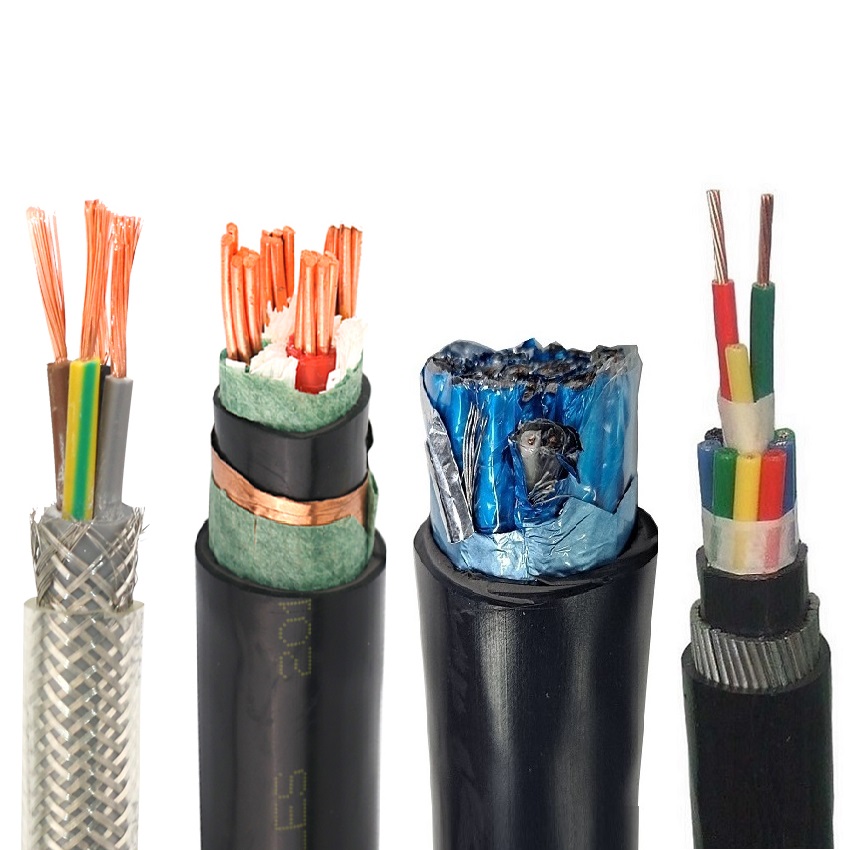
2. Main types and structures
LSZH cables are divided into the following types according to application scenarios:
Power cables:
Structure: copper/aluminum conductor + cross-linked polyethylene (XLPE) insulation + LSZH sheath.
Voltage level: covers 0.6/1kV to 220kV, suitable for power transmission and distribution systems.
Communication cables:
Structure: multi-core stranded conductor + LSZH insulation + aluminum foil shielding + LSZH outer sheath.
Types: including Cat5e/6/6A network cables, coaxial cables, fiber optic jumpers, etc., to meet the needs of data centers and 5G base stations.
Control cables:
Structure: multi-core conductor + LSZH insulation + braided shielding + LSZH sheath.
Application: industrial automation, rail transit signal transmission.
Special cables:
Fire-resistant LSZH cables: Maintain power supply for 90 minutes in flames (IEC 60331 standard), used in fire emergency systems.
Flexible LSZH cables: Use high-purity annealed copper conductors, bending radius ≤4D, suitable for robots and mobile devices.
3. Performance advantages
Safety performance:
Low smoke characteristics: Visibility in fires is improved by 80%, which provides 10-15 minutes of critical time for personnel evacuation.
Non-toxic emissions: Avoid suffocation and death caused by inhalation of toxic gases (according to statistics, 60% of deaths in fires are caused by toxic gases).
Environmental compliance:
Passed the EU CPR Building Products Regulations (Class Bca/Cca/Dca) and met global green building certification (LEED, BREEAM).
Mechanical properties:
Temperature resistance range: -40℃ to 90℃ (short-term 120℃), adaptable to extreme environments.
Abrasion resistance: The surface hardness of the sheath reaches 90 Shore A, and the puncture resistance strength is ≥30N/mm, which is better than PVC cables.
Electrical performance:
Insulation resistance: ≥1000MΩ·km (20℃), signal transmission attenuation reduced by 15%.
Anti-electromagnetic interference: Double shielding structure (aluminum foil + braiding) makes crosstalk suppression ≥60dB, suitable for high-density data centers.
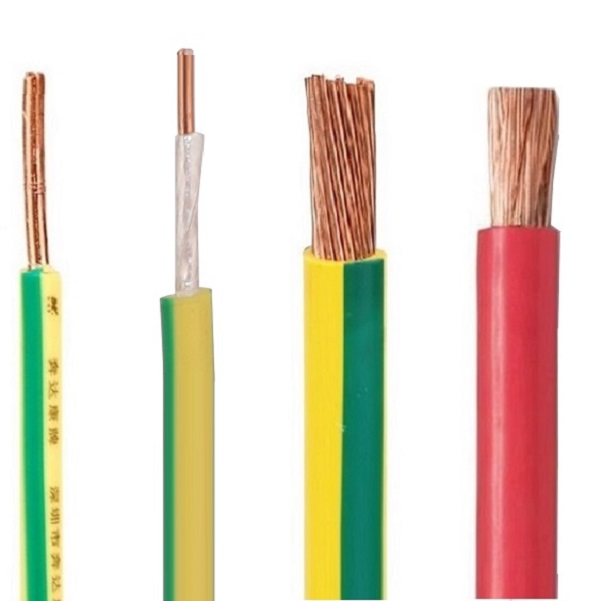
4. Typical application scenarios
Railway transportation:
Subway and high-speed rail tunnels use LSZH cables to reduce fire risks. For example, the London Underground has been fully replaced with LSZH cables since 2005, and the fire accident rate has dropped by 40%.
Public buildings:
Hospitals, schools, shopping centers and other crowded places give priority to the deployment of LSZH cables. The Shanghai Tower uses LSZH low-smoke halogen-free cables to meet the fire protection specifications for super-high-rise buildings.
Data center:
Server rooms require that the heat release rate of cables when burning is ≤30kW/m², and LSZH cables pass the UL910 standard test to ensure equipment safety.
New energy field:
Photovoltaic power stations and energy storage systems use LSZH cables to adapt to outdoor UV radiation and ozone corrosion environments, and their service life is extended to more than 25 years.
Industrial automation:
Automobile manufacturing and semiconductor factories use flexible LSZH cables to support high-frequency movement of robots and reduce downtime for maintenance.
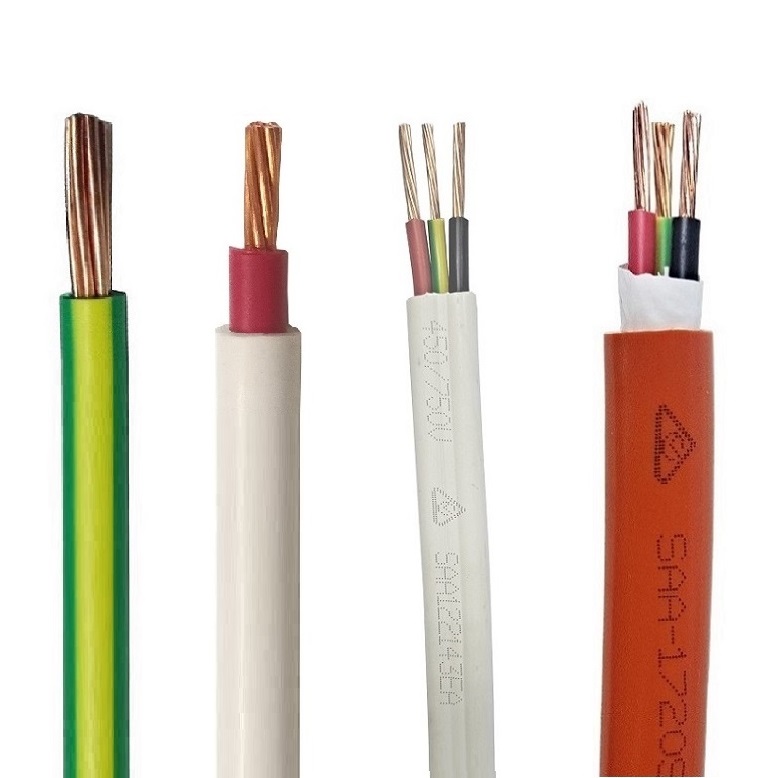
5. Technology development trends
Material innovation:
Develop nano-composite flame retardants (such as montmorillonite/aluminum hydroxide composite system) to improve flame retardant efficiency while reducing material costs.
Intelligent integration:
Embed temperature/smoke sensors to achieve early warning of fire.
Green manufacturing:
Promote bio-based polyolefin materials to further reduce carbon emissions throughout the life cycle.