

1. What are YJV cable and VV cable?
The full name of YJV cable is copper core cross-linked polyethylene insulated PVC sheathed power cable. Its core is to use cross-linked polyethylene (XLPE) as the insulation material, and improve the heat resistance and electrical performance through the cross-linking process. The full name of VV cable is copper core PVC insulated PVC sheathed power cable. It uses polyvinyl chloride (PVC) as the insulation and sheath material and belongs to the traditional plastic power cable. Both are used for power transmission, but the difference in materials leads to performance differences.
2. Performance difference
Heat resistance
The cross-linked polyethylene insulation layer of YJV cable has a heat resistance temperature of 90℃, and the maximum temperature can reach 250℃ when short-circuited (≤5 seconds); the PVC insulation layer of VV cable has a heat resistance of only 70℃, and the maximum temperature is 160℃ when short-circuited. In high temperature environment, the current carrying capacity of YJV is 20%-30% higher than that of VV, which is suitable for power supply of high-power equipment.

Electrical performance
YJV cable has high insulation resistance, low dielectric loss and better transmission efficiency; VV cable's insulation performance is easy to decline in humid environment, and its long-term operation stability is slightly inferior.
Mechanical performance
YJV cable has high tensile strength and requires a smaller bending radius during laying (single-core cable ≥15 times the outer diameter, multi-core ≥10 times the outer diameter); VV cable has better flexibility and is suitable for complex wiring scenarios.
Life and cost
YJV cable has a life of up to 30-50 years, and its price is 10%-15% higher than VV; VV cable has a life of about 20-30 years and lower initial cost.
Insulation material
YJV cable uses cross-linked polyethylene as insulation material, while VV cable uses polyvinyl chloride material. Because the insulation of YJV cable does not contain chlorine, it will not produce a large amount of chlorine gas when burned (chlorine is a toxic gas). Compared with the two, cross-linked polyethylene insulation has stronger high temperature resistance, is more environmentally friendly, and has better performance than ordinary polyvinyl chloride.
Working voltage range
Under normal circumstances, the working voltage range of YJV cable is 6~500KV, while that of VV cable is 1~6KV. Therefore, VV cable is generally used in low-voltage environment, while YJV covers high, medium and low voltage environments, which is why the manufacturing process level of YJV cable is required to be higher.
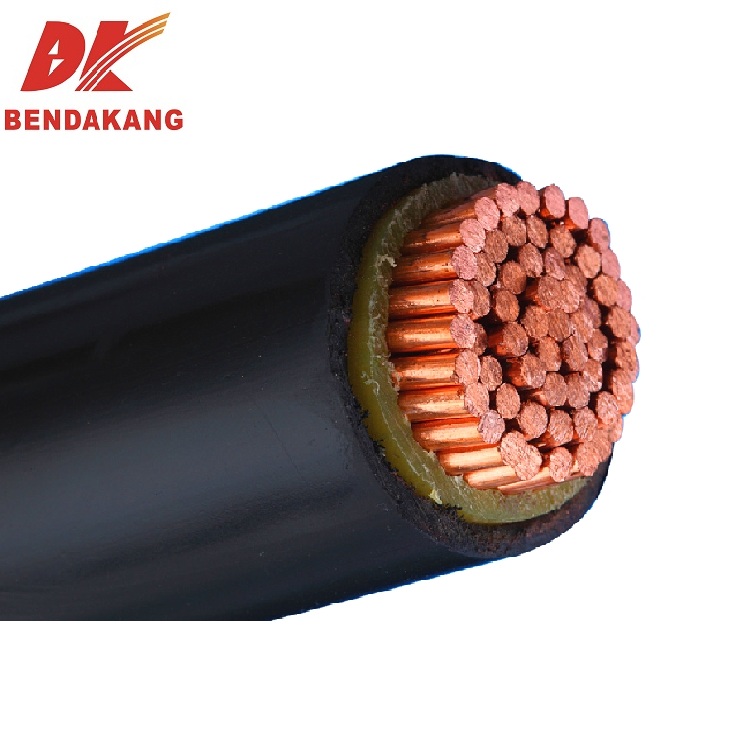
3. Appearance characteristics
YJV cable
Structure: circular design, outer sheath is black PVC or PE, smooth surface without bubbles.
Marking: The conductor is made of oxygen-free copper (copper content ≥99.9%), and the insulation layer is printed with parameters such as model and voltage.
Specifications: The common number of cores is 2-5 cores, and the outer diameter varies with the increase of cross-sectional area (such as 3×120mm² cable outer diameter is about 45mm).
VV cable
Structure: multi-core flat or circular design, outer sheath is gray PVC, strong wear resistance.
Marking: The conductor is a multi-strand copper or aluminum wire, and the insulation layer is printed with the word "VV" and voltage level.
Specifications: wide range of core numbers (2-61 cores), small outer diameter (such as 4×16mm² cable outer diameter is about 22mm).
4. Advantages of use
YJV cable
Safety: high temperature resistance, excellent flame retardant performance (in accordance with IEC 60332-1-2 standard), self-extinguishing and no dripping in fire.
Adaptability: can be laid indoors, in tunnels, cable trenches and pipelines, supporting direct burial or overhead installation.
Environmental protection: some models use low-smoke halogen-free materials, and no toxic gas is released during combustion.
VV cable
Economical: low price, suitable for projects with limited budgets.
Easy to install: good flexibility, easy to bend and thread, shortening the construction period.
Weather resistance: PVC sheath is UV-resistant and chemical-resistant, suitable for outdoor environments.
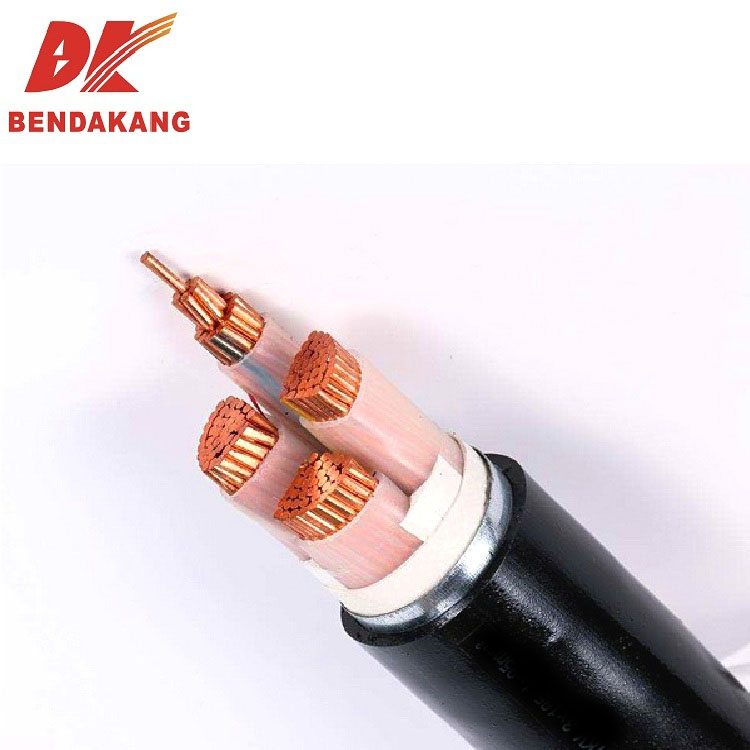
5. Application scenarios
YJV cable
High-voltage scenarios: urban power grid, power station lead-out lines (voltage levels cover 0.6/1kV to 220kV).
Industrial field: power supply for high-load equipment in factories and mines (such as motors and transformers).
Infrastructure: power supply for signal systems and lighting equipment in subways, airports, and docks.
Special environment: corrosion resistance and high temperature scenarios in petrochemical and metallurgical industries.
VV cable
Low-voltage power distribution: lighting and socket circuits in buildings and residences (rated voltage 450/750V).
Civilian field: power wiring in shopping malls and office buildings, supporting equipment such as air conditioners and elevators.
Traffic signal: power supply for traffic lights and monitoring systems in roads and tunnels.
Temporary power supply: temporary power supply for construction sites and exhibitions, which is convenient for quick disassembly and assembly.
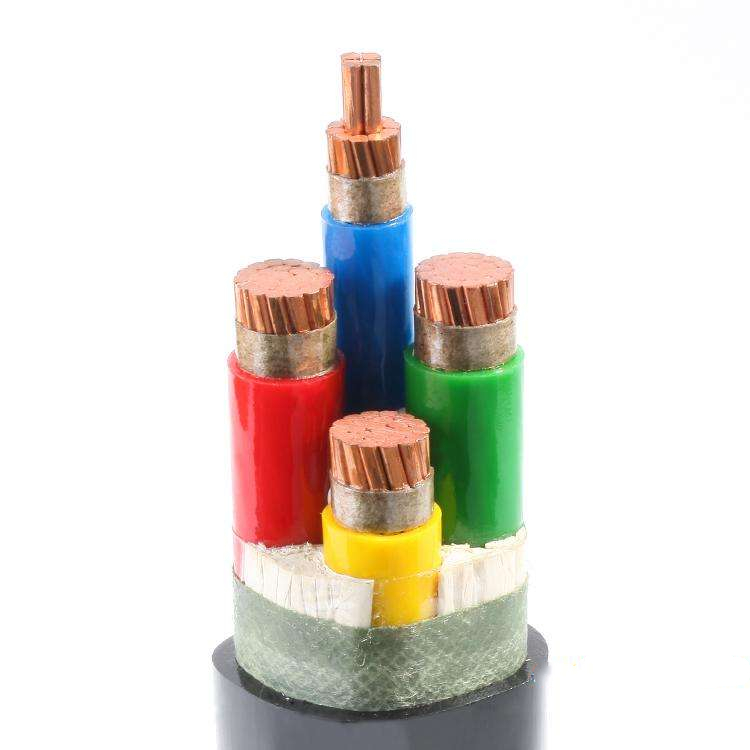
6. Selection recommendations
Prioritize YJV: If the project has high requirements for safety and life (such as high-rise buildings, data centers), or requires long-term high-load operation (such as industrial automation, urban power grids), the comprehensive cost of YJV cables is lower.
Optional VV: In scenarios with limited budgets and low voltage and temperature requirements (such as rural power grids and temporary power supply), VV cables are more cost-effective.
Trend judgment: With the advancement of technology, YJV cables are gradually replacing VV cables, especially in areas with strict environmental protection and safety regulations.