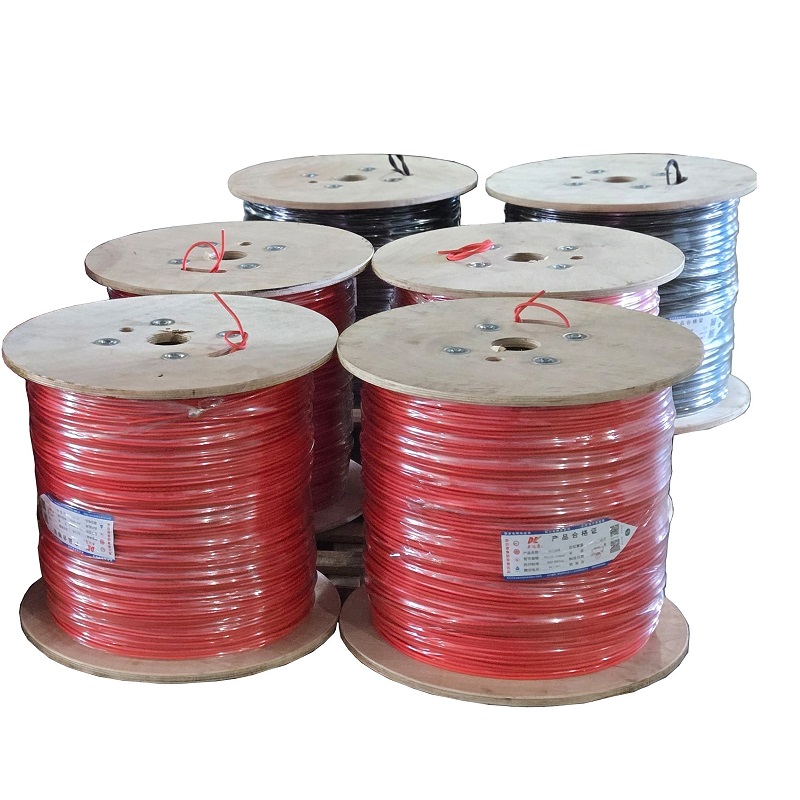
Insulation is a safety measure that uses non-conductive materials to isolate or enclose live conductors to protect against electric shock. Good insulation is the most basic and reliable means of ensuring the safe operation of electrical equipment and lines and preventing electric shock accidents.
Insulation is generally classified into three categories: gas insulation, liquid insulation, and solid insulation. In practical applications, solid insulation remains the most widely used and reliable type of insulation material. Under the influence of strong electricity, insulating materials may break down and lose their insulating properties. Among the three types of insulating materials, gaseous insulating materials, after breakdown, can recover their inherent electrical insulation properties once the external factor (strong electric field) is removed; however, solid insulating materials, once broken down, irreversibly and completely lose their electrical insulation properties.
Therefore, the selection of insulation for electrical lines and equipment must be matched with the voltage level and adapted to the operating environment and conditions to ensure the safe functioning of the insulation. Furthermore, corrosive gases, vapors, moisture, conductive dust, and mechanical operations can all reduce or even destroy the insulation performance of insulating materials. Moreover, the long-term effects of environmental factors such as sunlight and wind and rain can also cause insulating materials to age and gradually lose their insulating properties. In summary, the main indicators affecting the performance of insulating materials are:
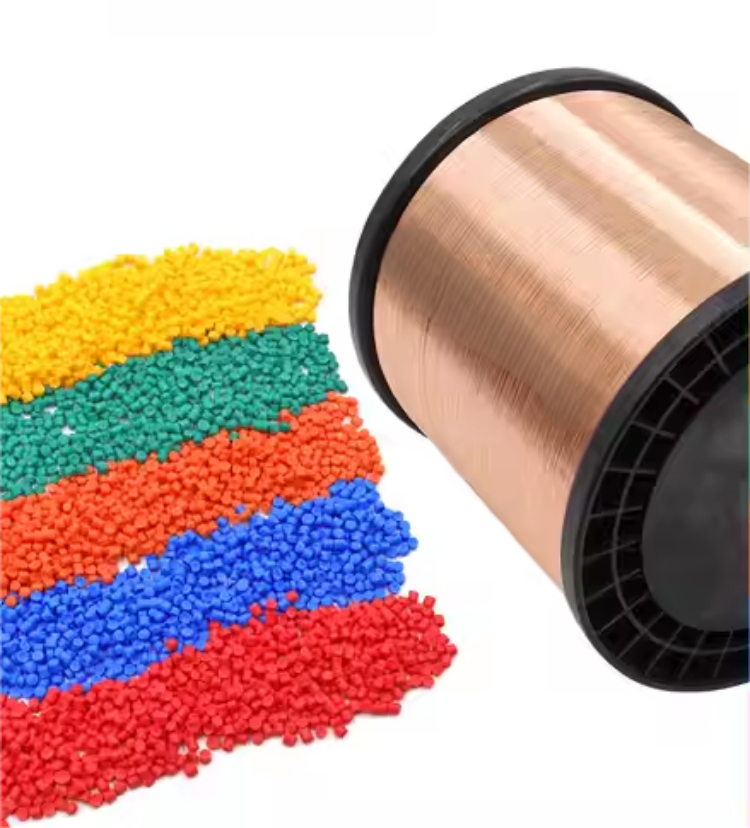
(1) Insulation resistance and resistivity: Resistance is the reciprocal of conductance, and resistivity is the resistance per unit volume. The lower the conductivity of a material, the higher its resistance; the two are inversely related. For insulating materials, it is always desirable to have the highest possible resistivity.
(2) Relative permittivity and dielectric loss tangent: Insulating materials have two applications: mutual insulation between components of an electrical network and as the dielectric (energy storage) of a capacitor. The former requires a low relative permittivity, while the latter requires a high relative permittivity. Both require a low dielectric loss tangent, especially for insulating materials used in high-frequency and high-voltage applications. To minimize dielectric loss, insulating materials with a low dielectric loss tangent are required. (3) Breakdown Voltage and Dielectric Strength: Breakdown occurs when an insulating material breaks down under a strong electric field, losing its insulating properties and becoming conductive. The voltage at which breakdown occurs is called the breakdown voltage (dielectric strength). Dielectric strength is the ratio of the voltage at which breakdown occurs under specified conditions to the distance between the two electrodes subjected to the applied voltage; it is the breakdown voltage per unit thickness. Generally, for insulating materials, higher breakdown voltage and dielectric strength values are better.
(4) Tensile Strength: This is the maximum tensile stress a specimen can withstand in a tensile test. It is the most widely used and representative test for the mechanical properties of insulating materials.
(5) Flame Resistance: This refers to the ability of an insulating material to resist combustion when in contact with a flame or to prevent further combustion when removed from the flame. With the increasing application of insulating materials, the requirements for their flame resistance are becoming more important. People use various means to improve and enhance the flame resistance of insulating materials. Higher flame resistance means better safety.
(6) Arc Resistance: Under specified test conditions, the ability of an insulating material to withstand the action of an electric arc along its surface. During the test, a small current with high AC voltage is used. The arc generated between the two electrodes by the high voltage is used to determine the arc resistance of the insulating material by measuring the time required for a conductive layer to form on the surface of the insulating material. The larger the time value, the better the arc resistance.
(7) Sealing: It provides good sealing and isolation against oil and water. The four fundamental constants affecting dielectrics are: Dielectric constant: refers to the transmission, storage, or recording of electricity in an electric polarization manner. Conductivity: refers to the leakage current of the dielectric under the action of an electric field. Dielectric loss: is the loss of electrical energy of the dielectric under the action of an electric field. Dielectric strength: refers to the potential damage to the dielectric under a strong electric field.