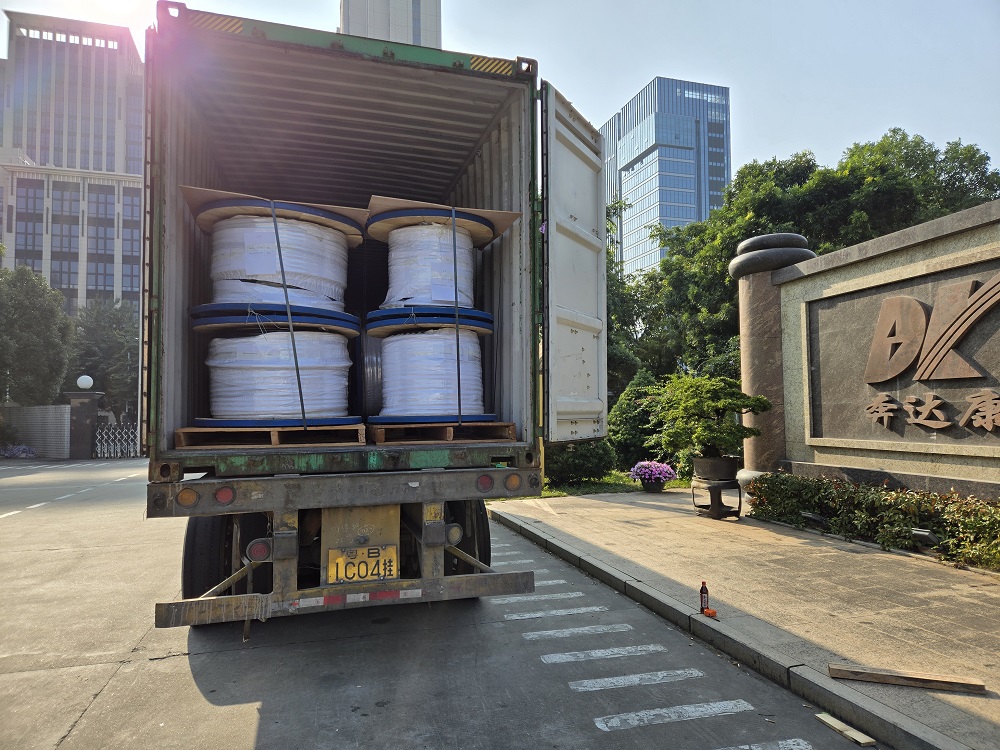
With the onset of autumn and the sharp drop in temperature, cable laying becomes more difficult. Laying cables at low temperatures can easily damage insulation and sheaths. So, how should cable laying be approached during autumn and winter? How can adequate preparation be made to avoid unnecessary losses?
1. Thorough preparation is essential before cable laying. Before the start of autumn and winter construction, relevant construction personnel should be organized to study construction measures and preventative measures, and familiarize themselves with the relevant cable laying construction drawings and technical documents. A strict construction management system should be established, and relevant construction procedures, specifications, and established construction and preventative measures should be strictly implemented to ensure that personnel, machinery, materials, and supplies can weather the winter smoothly, ensuring that project quality and progress are not affected.
Then, based on the established construction and preventative measures, a material plan should be prepared. The materials department should ensure the supply of necessary materials according to the plan, including insulation materials, antifreeze, cold-proof, anti-slip, and heating materials, as well as materials needed for erecting related facilities. Construction roads should be kept clear, ice and snow should be promptly removed, and the work surface should not be frozen.
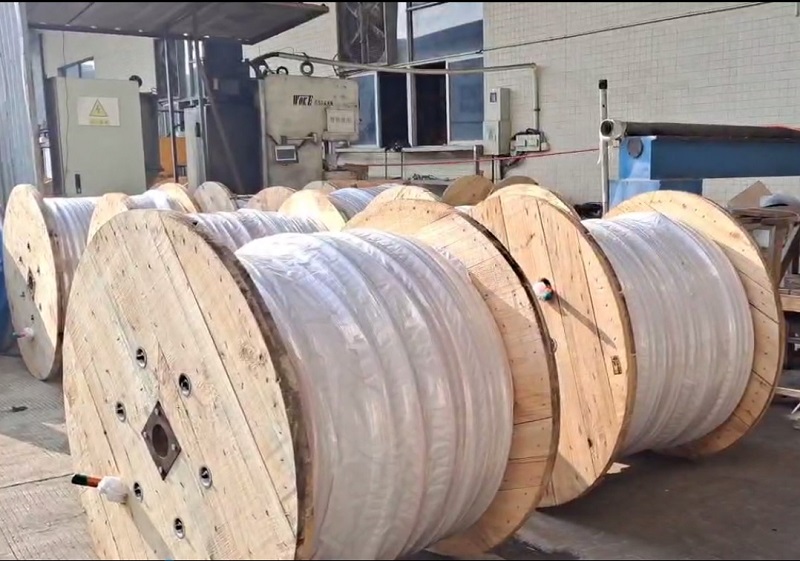
Also, due to variations in cable density and rigidity, as snow gradually freezes into ice, it will automatically break at a certain level, potentially causing customer misunderstanding. In winter, cables are easily covered by snow and ice. When the weight of the ice layer exceeds the cable's load-bearing capacity, the cable, being overhead outdoors, can easily pull down transmission towers or power poles, or even break itself. To prevent this, cables capable of withstanding cold temperatures should be selected.
3. When working outdoors in temperatures below 0°C, a heated rest area should be provided near the construction site. Heating facilities must comply with fire safety regulations, and construction heating facilities must be clearly marked to prevent burns.
4. If the ambient temperature at the cable storage location is lower than the cable's operating temperature, do not lay the cable. Wait 24 hours after the cable has been stored in a warm place before laying it.
5. Before laying cables, carefully verify that the cable code, specifications, length, and the names and locations of the starting and ending equipment match the cable register and drawings, and check for any damage to the cables.
6. After each cable is laid, it must be neatly arranged, its length verified, and then rolled up and hung near the equipment. Do not leave cables lying around or step on them to avoid damage.
7. After all cables have been laid, thoroughly verify the cable type, specifications, length entering the equipment, and total number to prevent errors or omissions. Only after verification can the cables be secured. If using a binding method to secure the cables, after laying one bundle of cables, verify and arrange it, secure it with cable ties before laying the next bundle. Finally, strictly conduct safety technical briefings for winter construction and keep accurate records.