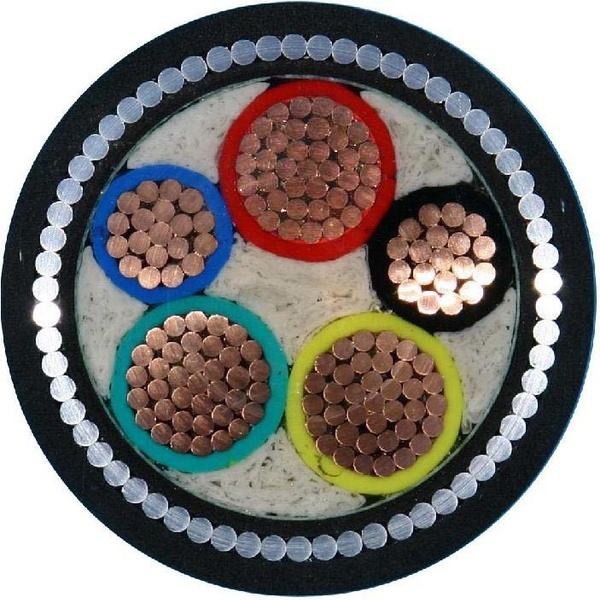
I. The Purpose of Cable Armor
1. Enhances the Cable's Mechanical Strength
Armor can be added to any cable structure to increase its mechanical strength and improve its corrosion resistance. It is designed for use in areas susceptible to mechanical damage and corrosion. It can be laid in any manner and is particularly suitable for direct burial in rocky areas.
2. Protects against Snakes, Insects, and Rodents
In addition to providing mechanical protection such as tensile and compressive strength to extend its service life, armoring cables also provides a degree of resistance to external forces and protects against snakes, insects, and rodents, preventing them from penetrating the armor and causing power transmission problems. The armor should have a large bending radius and provide grounding protection for the cable.
3. Low-Frequency Interference Resistance
Common armor materials include steel tape, steel wire, aluminum tape, and aluminum tube. Steel tape and steel wire armor layers have high magnetic permeability and provide excellent magnetic shielding, effectively resisting low-frequency interference. They also enable direct burial of armored cables without conduit, are cost-effective, and are widely used. Stainless steel wire armored cables are used in vertical shafts or steeply inclined tunnels. Steel tape armored cables are used in horizontal tunnels or gently inclined tunnels.
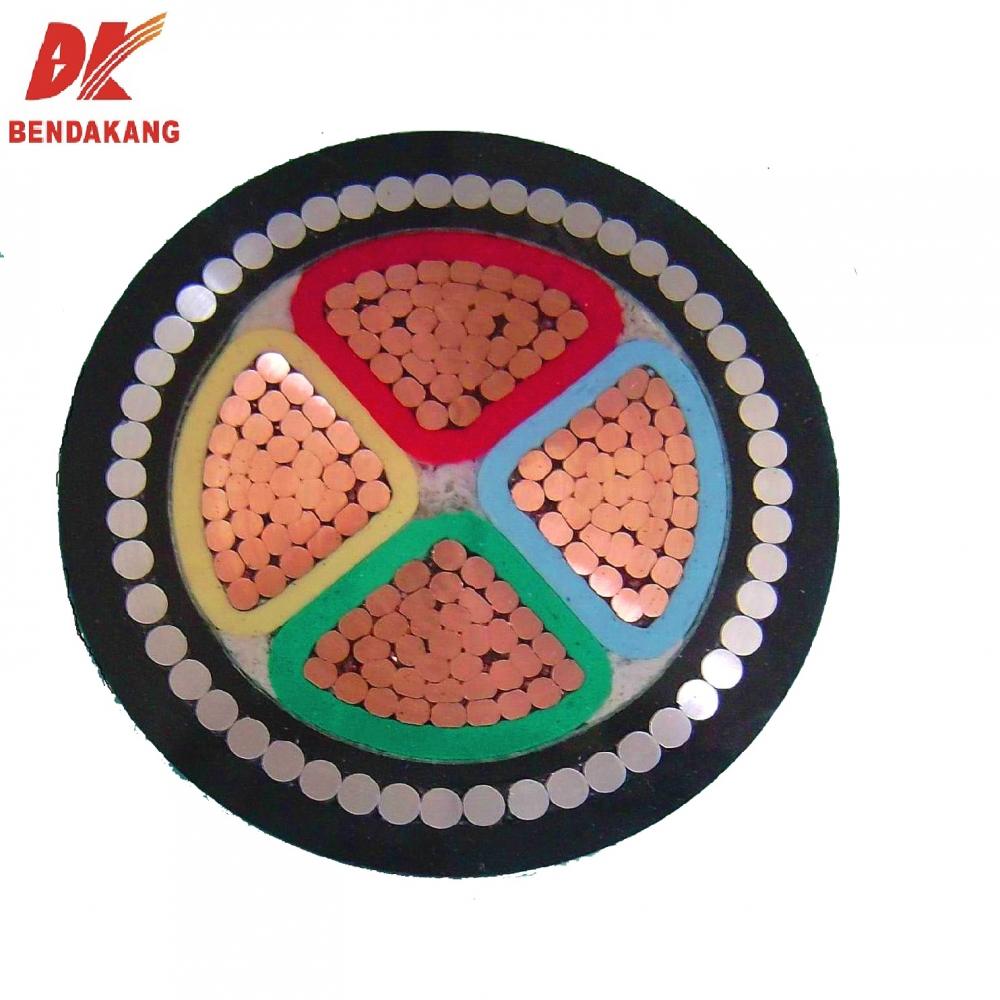
1. Enhanced Bendability
Copper wires of varying specifications and numbers are twisted together in a specific sequence and lay length to create a larger diameter conductor. This larger diameter twisted conductor is more flexible than a single copper wire of the same diameter, resulting in better bending properties and a resistance to breakage during swing tests. This makes it easier to meet the requirements for cables requiring high flexibility, such as medical-grade cables.
2. Extended Service Life
From an electrical perspective: When current is applied to a conductor, it generates heat due to the dissipated electrical energy from resistance. As temperatures rise, the performance and lifespan of the insulation and protective layer materials are affected. To ensure efficient cable operation, the conductor cross-section must be increased. However, large-cross-section individual conductors are difficult to bend and lack flexibility, making them difficult to transport, manufacture, and install. Mechanically, flexibility and reliability are crucial, and twisting multiple individual conductors together can resolve this conflict.