

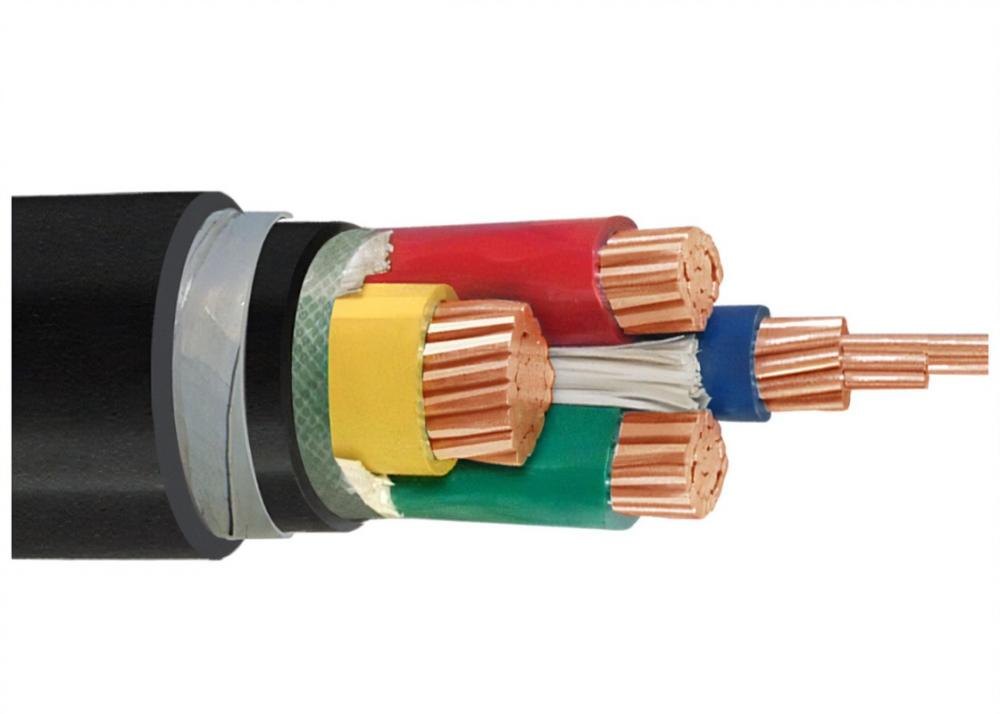
STA Cable (Steel Tape Armored Cable) is a power cable with an armored layer formed by winding steel tape. Its core design goal is to enhance the cable's mechanical protection and resistance to external forces. The steel tape armor layer is typically composed of galvanized steel or stainless steel tape, spirally wrapped around the cable's outer layer to form a continuous metal protective structure. Compared to traditional unarmored cables, STA Cable offers superior resistance to pressure, impact, and rodent bites. It also provides basic electromagnetic shielding, reducing the impact of external electromagnetic interference on signal transmission.
1. Appearance
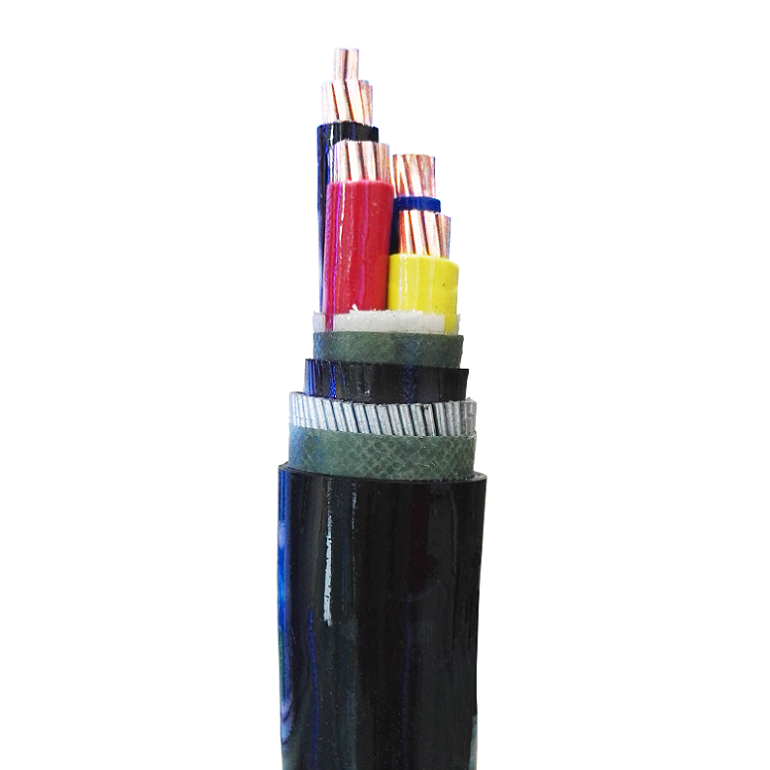
STA Cable typically features a black outer sheath (usually made of PVC or LSZH) with a regular pattern of steel tape winding visible on the surface. The armor layer is tightly fitted to the outer sheath, resulting in an overall cylindrical shape with a diameter approximately 10%-15% larger than that of unarmored cables of the same specification. Some products include an inner lining (such as fiberglass tape) between the steel tape and the insulation to prevent the edges of the steel tape from scratching the insulation.
2. Material Composition
Conductor: Copper or aluminum is used as the conductive core. Copper conductors offer excellent conductivity, while aluminum conductors are lightweight and low-cost.
Insulation: Cross-linked polyethylene (XLPE) or polyvinyl chloride (PVC) are commonly used. XLPE offers better high-temperature resistance (long-term operating temperatures up to 90°C), while PVC offers lower cost and better flame retardancy.
Armor: Galvanized steel tape (low cost and corrosion resistance) or stainless steel tape (suitable for high humidity or chemically corrosive environments). The tape thickness is typically 0.2-0.5mm, and the width is adjusted based on the cable diameter.
Outer Jacket: PVC (abrasion-resistant and flame-retardant) or LSZH (low-smoke zero-halogen, which releases fewer toxic gases during combustion). The thickness is typically 1.5-2.0mm.
3. Differences from SWA Cable
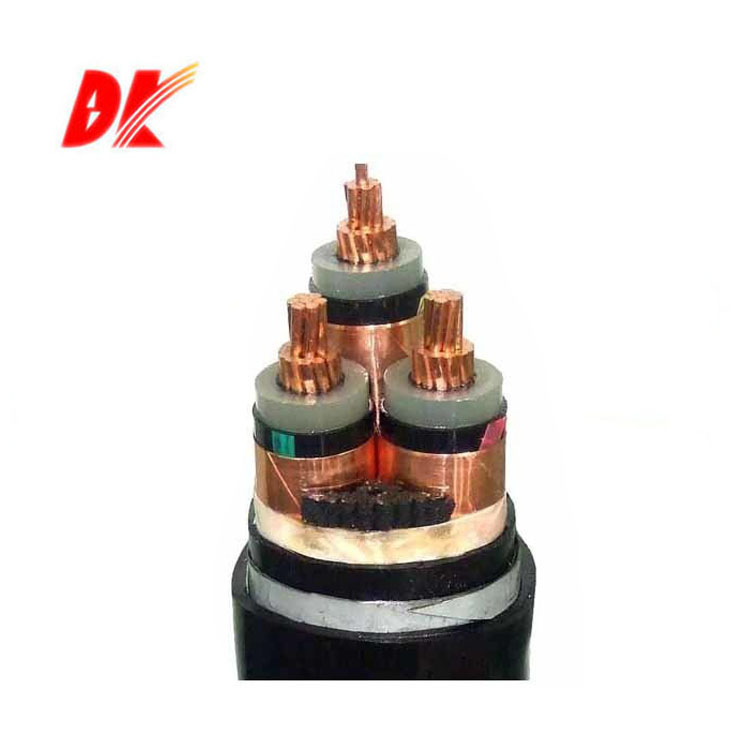
Armor Structure Differences: SWA Cable (steel wire armored cable) uses braided or twisted steel wire to form the armor layer. The wire diameter is typically 0.8-2.0mm, and the braid density can exceed 80%. This structure gives SWA Cable greater tensile strength (capable of withstanding several tons of tension), making it suitable for long-distance installations or those requiring frequent movement. STA Cable's steel tape armor, on the other hand, has weaker tensile strength but superior compressive strength (capable of withstanding several tons of pressure).
Weight and Cost Comparison
Due to its higher steel wire density, SWA Cable is typically 20%-30% heavier than STA Cable, resulting in increased transportation and installation costs. Furthermore, the higher cost of steel wire material than steel tape makes SWA Cable generally 15%-25% more expensive than STA Cable.
Bending Performance Differences
STA Cable's steel tape armor has a smaller bend radius (minimum bend radius approximately 10 times the cable diameter), making it suitable for installation in confined spaces. SWA Cable's steel wire armor has a larger bend radius (minimum bend radius approximately 15 times the cable diameter). Frequent bending can cause wire breakage, making it more suitable for straight installations or those with large curves.
Electromagnetic Shielding Effectiveness
SWA Cable's steel wire armor forms a denser metal mesh, providing superior electromagnetic shielding effectiveness compared to STA Cable. It is particularly suitable for high-frequency signal transmission or environments with strong electromagnetic interference. STA Cable's steel tape armor provides weaker shielding, but this can be improved by adding a copper tape shield.
4. Application Scenarios
Direct Burial
STA Cable is the preferred choice for direct burial underground due to its strong compressive strength and low cost. In applications such as urban road lighting systems and residential power distribution lines, STA Cable effectively withstands soil pressure and construction machinery, while also preventing failures caused by rodents.
Indoor Cable Trench/Tunnel Laying
In cable trenches or tunnels, STA Cable's steel tape armor prevents cable deformation due to external forces and provides basic electromagnetic shielding. STA Cable is commonly used to transmit power or control signals in environments such as data centers and industrial plants.
High Humidity or Chemically Corrosive Environments
STA Cable, with its stainless steel tape armor, can withstand high humidity, salt spray, and chemical corrosion, making it suitable for applications such as coastal areas and chemical plants. For example, coastal chemical companies use stainless steel armored STA cables, which have been operating stably in corrosive environments for over 10 years.
Static or Low-Frequency Signal Transmission
STA cables' electromagnetic shielding performance meets the needs of low-frequency signal transmission, such as in building fire protection systems and security monitoring systems. However, for high-frequency signal transmission scenarios (such as 5G base stations and radar systems), SWA cables or the addition of a dedicated shielding layer are required.