

In building electrical engineering and fire safety design, many project specifiers and electrical contractors often confuse two common cable performance types: flame-retardant and fire-resistant wiring. The two types of cables have similar anti-burning appearances, but their core working principles, service scenarios and safety standards are completely different. Misselection will lead to hidden fire hazards and even fail official fire acceptance, which is a key detail that cannot be ignored in engineering design and material procurement.
Flame-retardant cables are designed with passive fire protection logic. Their outer sheath and insulating layers adopt special polymer materials, which can self-extinguish quickly after leaving the flame source. This performance can effectively prevent the spread of fire along the cable line, avoid the fire from expanding through circuit pipelines, and control the fire range at the initial stage of combustion. However, this kind of cable cannot maintain normal power transmission under continuous high-temperature flame baking.
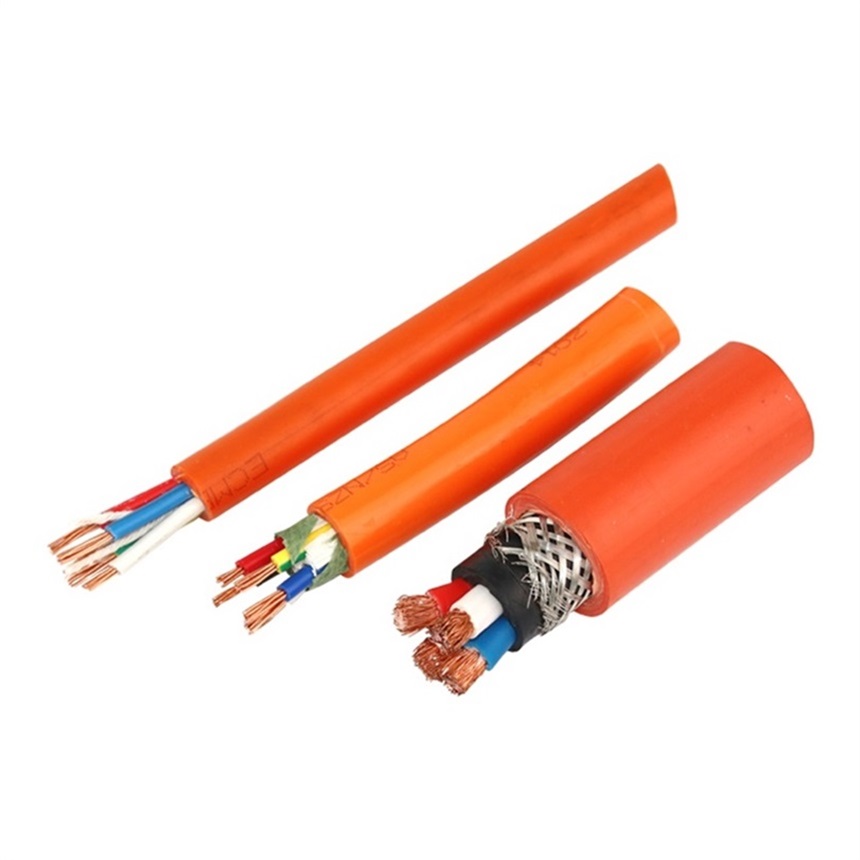
On the contrary, fire-resistant cables focus on active safety guarantee in fire accidents. Its internal structure is added with fire-resistant wrapping tape and high-temperature resistant insulating layer. When encountering open fire and high temperature, the cable can still maintain complete circuit integrity for a specified time. This core advantage ensures that key electrical equipment can continue to operate stably during fires, which is crucial for emergency rescue and personnel evacuation.
For high-standard public buildings, commercial complexes and emergency electrical systems, professional designers will prioritize Fire Resistant Cable to undertake core emergency circuit tasks. This type of wiring is strictly tested in accordance with international fire safety standards, and can resist continuous flame erosion for 90 minutes or longer, stably supporting the operation of fire-fighting equipment, emergency lighting and ventilation systems, making up for the performance defects of ordinary flame-retardant cables in extreme fire scenarios.
In practical engineering classification, professional safety wiring such as Fire Cable has clear application boundaries. Flame-retardant cables are mostly used in ordinary power distribution and daily lighting circuits, focusing on preventing fire spread. While fire-resistant models are mandatory for fire-fighting linkage circuits, emergency power supply circuits and lifeline electrical systems, which are the core safety guarantee of building fire protection systems.
In addition to conventional power transmission fire-resistant wiring, special scene cables represented by Fire Alarm Cable also follow the above performance differentiation rules. As a special safety cable for building alarm systems, it adopts fire-resistant core structure to ensure that the alarm signal can be transmitted normally in case of fire, so as to trigger fire alarm, smoke exhaust and fire extinguishing linkage devices in the first time, realizing rapid early warning and accident disposal.