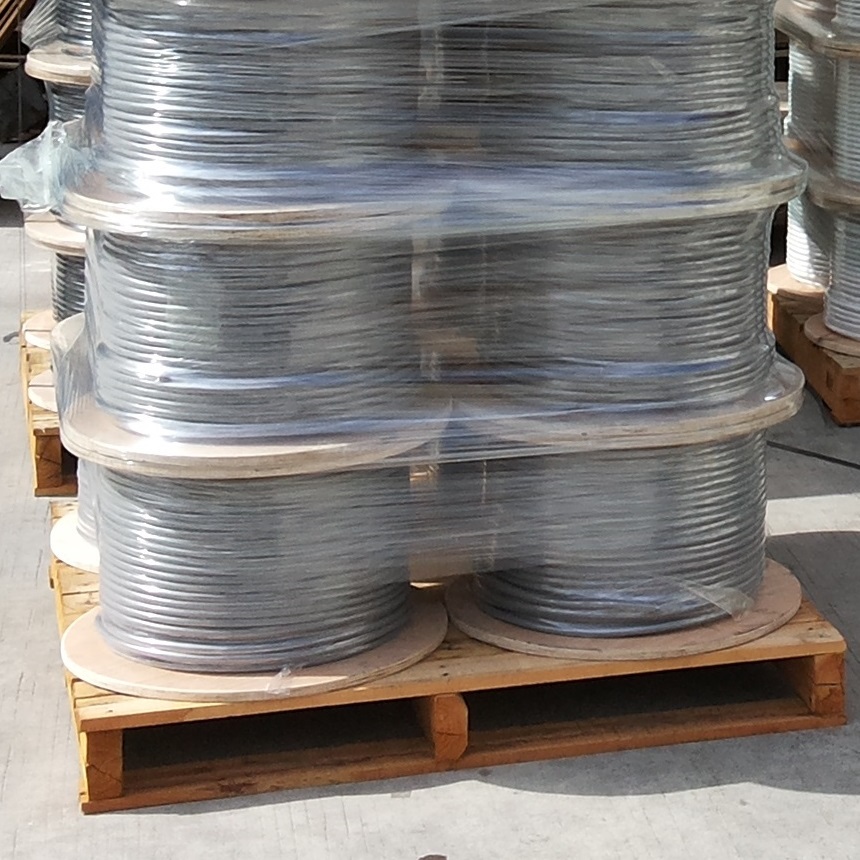
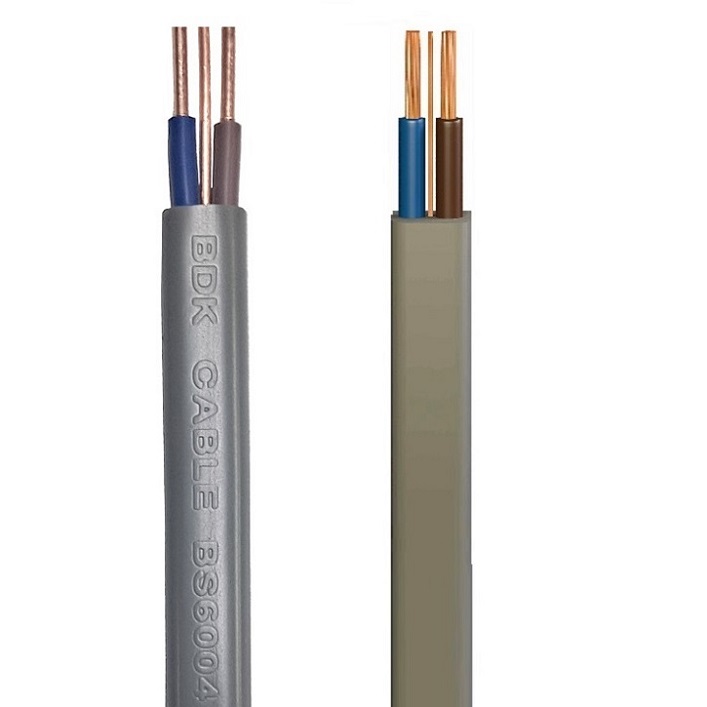
Flat Twin Cables are two-core cables with a flat structure, consisting of two insulated conductors arranged side by side and wrapped in an outer sheath. Its flat shape makes it more flexible during installation, especially suitable for scenarios with limited space or specific requirements for cable routing.
Features
Compact design and space saving:
The flat structure makes it much thinner than traditional round cables, suitable for use in narrow spaces or scenarios where wiring needs to be along the surface.
For example, in home network wiring, flat cables can be easily hidden between floors, walls or furniture without affecting the overall appearance.
Good flexibility and bendability:
Flat cables are easier to bend than round cables and are suitable for environments that need to pass through bends or corners, such as home network wiring or wiring under desks.
Efficient heat dissipation performance:
The flat design increases the surface area of the cable, helps dissipate heat, and reduces the risk of performance degradation due to overheating.
Multiple specifications and standards:
Compliant with international standards such as AS/NZS 5000.2, the voltage level can reach 450/750V, and the conductor cross-sectional area range is wide (such as 1.0mm² to 16mm²), meeting different application needs.
The conductor material is usually annealed bare copper (solid or stranded), the insulation material is V-90 PVC, and the sheath material is 3V-90 PVC, which has easy-tear characteristics and is easy to install.
Color coding and safety:
Active conductors are usually red and black, grounding conductors are green/yellow, and the sheath is white for easy identification and safe connection.
Application scenarios
Home network wiring:
Flat Cat6 cable is an ideal choice for home network wiring. Its thin design makes it easier to hide between floors, walls or furniture, and will not be conspicuous and affect the overall appearance.
Cabling under the desk:
In an office environment, in order to keep the desktop tidy, cables usually need to be routed under the desk. Flat Cat6 cable can be more easily hidden along the table legs or floor, without causing confusion or interfering with the office space.
Building and industrial wiring:
Suitable for general wiring, including open laying, pipe penetration, direct burial or underground pipeline laying, suitable for residential, commercial and industrial applications that are not subject to mechanical damage.
Specific environmental applications:
The low profile design of flat cables makes them more advantageous in scenarios where wiring needs to pass through narrow spaces or along surfaces, such as wall gaps, internal wiring of equipment, etc.
Maintenance
Regular inspection and cleaning:
Check the appearance of the cable regularly to ensure that it is not damaged, aged or deformed. When cleaning, wipe with a soft dry cloth and avoid using corrosive detergents.
Avoid excessive bending and stretching:
Although flat cables have good flexibility, excessive bending or stretching should be avoided to avoid damaging the conductor or insulation layer.
Prevent mechanical damage:
During installation and use, avoid scratching or squeezing the cable by sharp objects to prevent the sheath from being damaged and exposing the conductor.
Follow installation specifications:
When wiring, follow relevant standards and specifications to ensure that the cable's bending radius, fixed spacing and other parameters meet the requirements to extend the service life.
Storage conditions:
Unused cables should be stored in a dry and ventilated environment, away from direct sunlight and high temperature to prevent aging of insulation materials.